
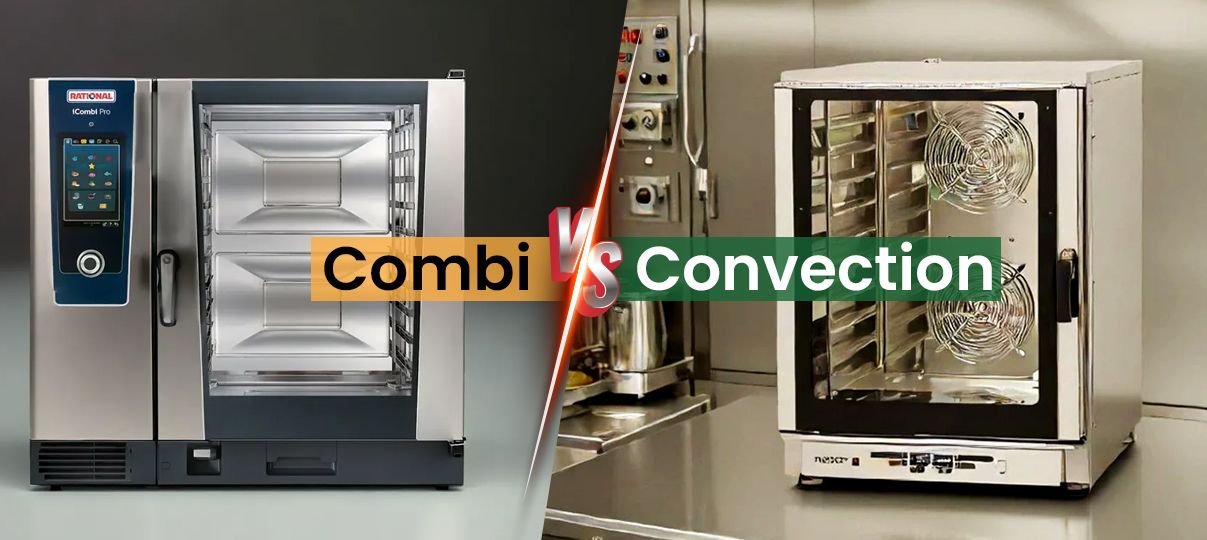
In the world of professional kitchens, the choice of the right oven can significantly impact the quality of dishes and the efficiency of operations. Among the most popular options are convection ovens and combi ovens. Understanding the differences, benefits, and best use cases of each can help you make an informed decision, whether you're running a bustling horeca store or a small bakery. Let's delve into a comprehensive comparison of these two versatile kitchen appliances.
Understanding Convection Ovens
Convection ovens are a staple in many kitchens due to their efficiency and versatility. They work by circulating hot air around the food, ensuring even cooking and reducing cooking times. This makes them particularly popular in horeca stores where time and consistency are crucial.
Benefits of Convection Ovens
Even Cooking: The fan system in convection ovens ensures that heat is distributed evenly, which is perfect for baking and roasting. This results in perfectly browned and crispy exteriors while maintaining juicy interiors.
Reduced Cooking Time: Due to the efficient heat distribution, convection ovens typically cook food faster than conventional ovens, making them ideal for busy kitchens.
Energy Efficiency: Faster cooking times mean that convection ovens are often more energy-efficient, saving money and reducing environmental impact.
Versatility: Convection ovens are suitable for a wide range of cooking tasks, from baking pastries to roasting meats, making them a versatile choice for any horeca store.
Understanding Combi Ovens
Combi ovens, short for combination ovens, are highly versatile kitchen appliances that combine the functionalities of a convection oven with steam cooking. This combination allows chefs to use dry heat, moist heat, or a combination of both, offering unparalleled flexibility.
Benefits of Combi Ovens
Versatility in Cooking Methods: Combi ovens can steam, bake, roast, and even grill food. This flexibility is invaluable in a professional setting where diverse cooking methods are needed.
Moisture Control: The ability to inject steam into the cooking process helps maintain moisture, which is beneficial for baking bread or cooking meats that require a tender texture.
Precision Cooking: Combi ovens allow precise control over temperature and humidity, ensuring consistent results every time.
Space-saving: By combining multiple cooking methods in one appliance, combi ovens can save valuable kitchen space, which is especially beneficial in smaller horeca stores.
Convection Oven vs Combi Oven: Key Differences
Cooking Methods
Convection Ovens: Primarily use dry heat and are best for tasks that require even cooking and browning, such as baking pastries and roasting.
Combi Ovens: Offer multiple cooking methods, including steaming and combination cooking, providing versatility that convection ovens cannot match.
Moisture Control
Convection Ovens: Limited to dry heat, which can sometimes lead to dry dishes if not monitored carefully.
Combi Ovens: Offer superior moisture control with the option to inject steam, keeping dishes moist and tender.
Use Cases
Convection Ovens: Ideal for consistent baking and roasting, making them a staple in bakeries and smaller horeca stores.
Combi Ovens: Perfect for diverse cooking needs, such as those found in larger restaurants or catering operations, where flexibility and precision are paramount.
Choosing the Right Oven for Your Needs
When deciding between a convection oven and a combi oven, consider the specific needs of your kitchen and the type of dishes you frequently prepare. Here are some factors to consider:
Menu and Cooking Methods: If your menu requires a wide range of cooking techniques, a combi oven's versatility might be more beneficial. However, if your focus is primarily on baking and roasting, a convection oven could suffice.
Kitchen Space: Consider the available space in your kitchen. Combi ovens can save space by combining multiple functions, but they are often larger than convection ovens.
Budget: Combi ovens tend to be more expensive due to their advanced features and versatility. Evaluate your budget and consider the long-term value each option provides.
Volume and Efficiency: For high-volume operations, the speed and efficiency of a convection oven can be advantageous. However, if precision and moisture control are critical, the combi oven's capabilities may outweigh the initial cost.
Final Thoughts
Both convection ovens and combi ovens offer unique advantages that can enhance the capabilities of any horeca store or professional kitchen. Understanding their differences and strengths allows you to choose the appliance that best meets your culinary needs and operational goals.
Whether you're baking delicate pastries or preparing a wide array of dishes, selecting the right oven can make all the difference in achieving culinary excellence. By considering your specific requirements and the benefits each type of oven offers, you can invest in the right tool to elevate your kitchen's performance and delight your customers.
Remember, the key to a successful kitchen is not just in choosing the right equipment, but also in knowing how to use it effectively to produce high-quality dishes consistently. Happy cooking!