
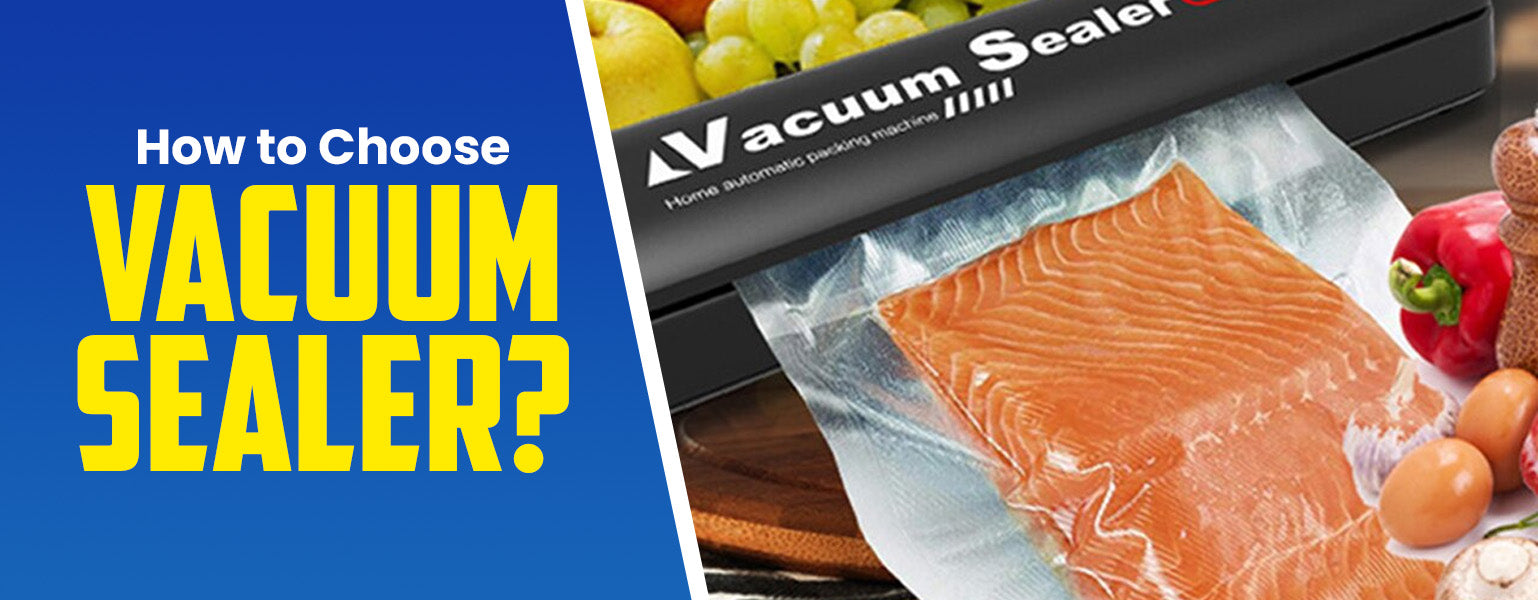
When it comes to preserving food, a vacuum sealer can be a game-changer. From extending the shelf life of your groceries to saving money by reducing waste, vacuum sealers have become an essential kitchen appliance for many households. But with so many options available, how do you choose the best one for your needs? In this guide, we’ll walk you through the essential factors to consider when buying a vacuum sealer.
Understanding Vacuum Sealers
Vacuum sealers work by removing air from a bag or container and then sealing it to prevent air from getting back in. This process helps keep food fresh for longer by slowing down the oxidation process that can lead to spoilage. There are two main types of vacuum sealers: external vacuum sealers and chamber vacuum sealers. Understanding the differences between these can help you determine which one is right for you.
External Vacuum Sealers
External vacuum sealers are the most common type found in households. They are typically more affordable and easier to use for everyday sealing tasks. These sealers are ideal for sealing solid foods and are great for occasional use.
Chamber Vacuum Sealers
Chamber vacuum sealers are generally used in commercial settings but can be a good choice for home users who do a lot of sealing. They are more expensive than external sealers but offer more versatility. Chamber sealers can handle liquid-rich foods and are perfect for bulk sealing.
Key Features to Look For
When shopping for the best vacuum sealers, there are several features you should keep in mind to ensure you select a model that fits your needs.
Suction Power
The suction power of a vacuum sealer determines how effectively it can remove air from the bag. More powerful suction ensures a tighter seal, which is crucial for preserving food. Look for models with adjustable suction settings to handle both delicate and sturdy items effectively.
Seal Quality and Width
The quality of the seal is vital in ensuring your food stays fresh. Some vacuum sealers offer dual-sealing strips, which provide a more secure seal. Consider the width of the seal as well—a wider seal can provide more protection against leaks.
Bag Compatibility
Vacuum sealers often require specific types or sizes of bags. Some models work only with proprietary bags, which can be more expensive. Opt for a vacuum sealer that is compatible with various bag sizes and types to save on costs in the long run.
Ease of Use
A user-friendly vacuum sealer can make the sealing process quick and hassle-free. Look for models with intuitive controls and easy-to-understand functions. Automatic sealing options can also be a plus for those who want a straightforward process.
Additional Considerations
Size and Storage
Consider the size of the vacuum sealer and where you plan to store it. Some models are compact and easy to store in a cabinet, while others are bulkier and may need to stay on the countertop. Make sure you have enough space to accommodate your chosen model.
Noise Level
Some vacuum sealers can be quite loud during operation. If noise is a concern, look for models that are specifically designed to operate quietly.
Versatility
Certain vacuum sealers come with additional features like marinating modes or the ability to seal jars and containers. If you plan to use your vacuum sealer for more than just bag sealing, consider a model with these versatile features.
Benefits of Using a Vacuum Sealer
- Vacuum sealing offers numerous benefits beyond just extending the shelf life of your food. Here are a few key advantages:
- Cost Savings: By reducing food waste, you save money in the long run. Buying in bulk and sealing leftovers means less spoilage and fewer trips to the grocery store.
- Food Safety: Vacuum sealing reduces the risk of contamination by keeping out bacteria and other pathogens that can spoil food.
- Space Efficiency: Vacuum-sealed bags take up less space in the fridge, freezer, or pantry, allowing you to store more food.
- Flavor Enhancement: Vacuum sealing can enhance flavors by allowing marinades and spices to penetrate food more effectively during storage.
Popular Vacuum Sealer Brands
When researching vacuum sealer reviews, you'll likely encounter several brands that stand out. Here are a few popular options to consider:
FoodSaver
FoodSaver is a well-known brand offering a wide range of vacuum sealers for different needs. They are known for their reliability and ease of use, making them a popular choice for home users.
Weston
Weston offers heavy-duty vacuum sealers that are ideal for those who need to seal large quantities of food. Their models are often used in commercial settings but are also suitable for home use.
Nesco
Nesco vacuum sealers are known for their affordability and functionality. They offer basic models for occasional use as well as more advanced options for frequent users.
Conclusion
Choosing the right vacuum sealer can greatly enhance your food preservation efforts and contribute to a more efficient and sustainable kitchen. By considering factors such as suction power, seal quality, and additional features, you can find a vacuum sealer that meets your needs and fits your budget. Remember, the best vacuum sealer for you is one that simplifies your food storage process and helps maintain the freshness of your meals. So take your time, do your research, and invest in a vacuum sealer that will serve you well for years to come.