
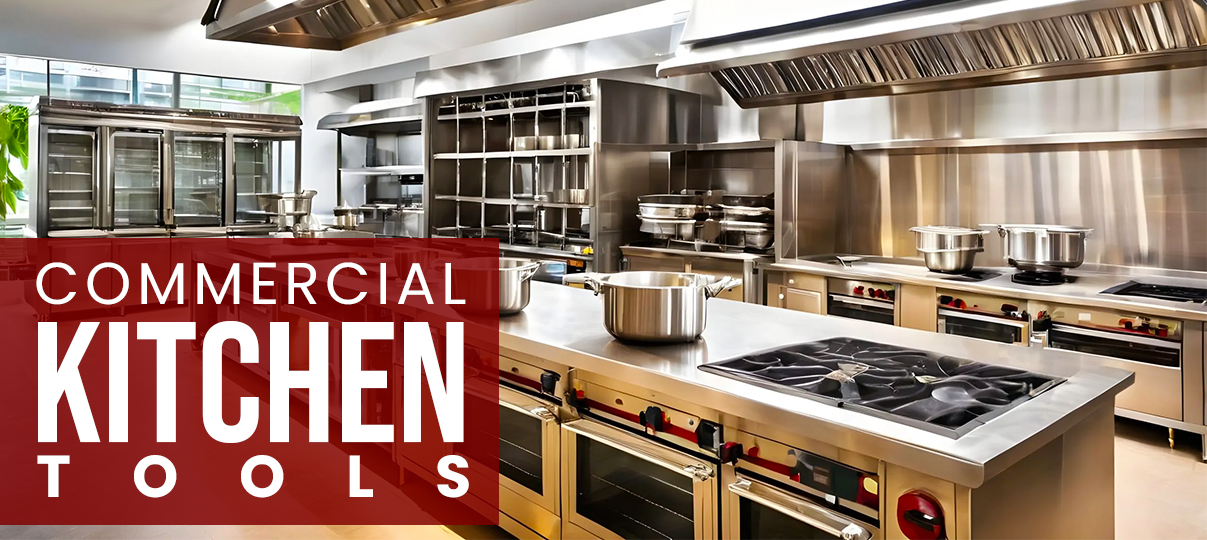
Setting up a restaurant kitchen requires careful planning and the right equipment to ensure smooth operations and high-quality food production. Whether you are starting a new restaurant or upgrading your existing kitchen, equipping it with essential tools is crucial for success. In this article, we will explore the top 10 essential kitchen tools for restaurants that are designed to enhance efficiency and help deliver exceptional culinary experiences.
1. Blenders and Juicers
Blenders and juicers are vital for restaurants that offer a variety of beverages and sauces. A high-performance blender can handle everything from smoothies and soups to purees and sauces with ease. Juicers are perfect for creating fresh juices that are increasingly popular with health-conscious diners. Investing in durable, commercial-grade options will ensure they withstand the demands of a busy kitchen.
2. Commercial Coffee Machines
Coffee is a staple in many restaurants, and having a reliable commercial coffee machine is essential. Whether you serve espresso, cappuccinos, or regular coffee, a high-quality machine will consistently deliver delicious brews to keep customers coming back. Look for machines that offer multiple brewing options and are easy to clean and maintain.
3. Food Processors
Food processors are versatile kitchen tools that can chop, slice, shred, and puree ingredients quickly and efficiently. They save time and labor in food preparation, allowing chefs to focus on creativity and presentation. Choose a model with various attachments to accommodate different tasks in your restaurant kitchen.
4. Professional Kitchen Tools
The backbone of any restaurant kitchen is its assortment of professional kitchen tools. This category includes chef's knives, cutting boards, whisks, spatulas, and more. High-quality tools enhance precision and safety while performing various tasks, from chopping vegetables to plating dishes. Investing in durable and ergonomic tools can significantly impact the efficiency of your kitchen staff.
5. Induction Cooktops
Induction cooktops are gaining popularity in modern restaurant kitchens for their energy efficiency and precise temperature control. Unlike traditional gas or electric ranges, induction cooktops heat pots and pans directly, reducing heat loss and speeding up cooking times. They are also safer to use since they remain cool to the touch, minimizing the risk of burns.
6. Dishwashers
Keeping up with dishwashing in a busy restaurant is a daunting task without the right equipment. Commercial dishwashers are essential for maintaining cleanliness and hygiene standards. They come in various sizes and capacities to suit different restaurant needs. Look for energy-efficient models that can handle a high volume of dishes with quick turnaround times.
7. Convection Ovens
Convection ovens are a staple in restaurant kitchens due to their ability to cook food evenly and quickly. They use a fan to circulate hot air around the food, resulting in faster cooking times and consistent results. Convection ovens are ideal for baking, roasting, and reheating, making them versatile additions to any kitchen.
8. Ice Makers
For restaurants that serve beverages, an ice maker is a must-have tool. Whether it's ice for soft drinks, cocktails, or food displays, having a reliable ice maker ensures you never run out. Choose a model with the capacity to meet your restaurant's peak demand and consider the speed at which it can produce ice.
9. Griddles and Grills
Griddles and grills are essential for preparing a wide range of dishes, from breakfast items like pancakes and bacon to grilled meats and vegetables. They provide even heat distribution and allow chefs to cook multiple items simultaneously. Consider the size and heat capacity when choosing a griddle or grill that suits your restaurant's menu.
10. Heavy-Duty Mixers
For restaurants specializing in baked goods or that require large quantities of dough, heavy-duty mixers are indispensable. These mixers can handle dense doughs and large batches with ease, saving time and labor. Look for models with variable speed options and robust construction to withstand daily use.
Additional Considerations
Refrigerators and Freezers
A reliable refrigeration system is crucial for preserving the freshness and quality of ingredients. Commercial refrigerators and freezers are designed to withstand frequent use and offer ample storage space. Ensure you choose units that fit the size and layout of your kitchen while meeting food safety regulations.
Kitchen Layout and Workflow
When selecting essential kitchen tools for your restaurant, consider the layout and workflow of your kitchen. Efficiently arranged equipment can streamline operations, reduce prep time, and improve communication among staff. Take into account the placement of workstations, storage areas, and cooking equipment to maximize productivity.
Maintenance and Durability
Investing in high-quality, durable equipment pays off in the long run. Regular maintenance and proper care extend the lifespan of your kitchen tools and prevent costly breakdowns. Establish a routine maintenance schedule and train staff on the proper use and care of each piece of equipment.
Conclusion
Equipping your restaurant kitchen with the right tools is an investment in the success of your business. The top 10 essential kitchen tools we've outlined are designed to enhance efficiency, improve food quality, and support a seamless dining experience for your customers. By carefully selecting and maintaining these tools, you'll create a well-functioning kitchen that can handle the demands of a busy restaurant environment. Whether you're blending smoothies, brewing coffee, or grilling steaks, these tools will help you deliver exceptional culinary delights that keep diners returning for more.