
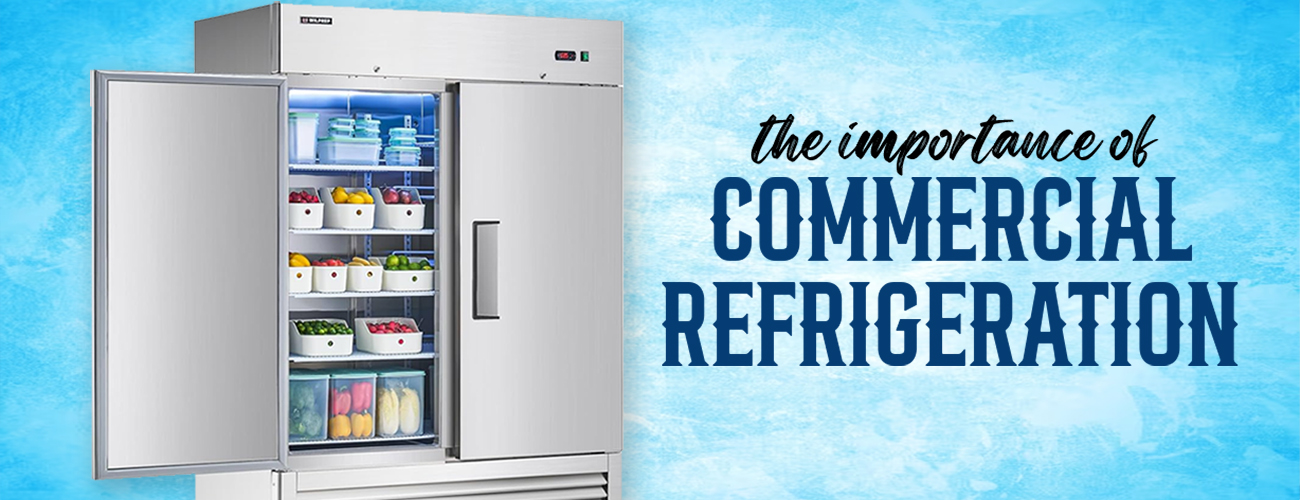
In the world of commercial kitchens, refrigeration units are the unsung heroes keeping your ingredients fresh and your business running smoothly. From ensuring food safety and quality to reducing food waste, the efficiency of your refrigeration system is crucial. In this guide, we’ll explore practical tips on maintaining your commercial refrigeration units to ensure they operate at peak performance.
Why Refrigeration Efficiency Matters
Refrigeration efficiency is more than just a cost-saving measure; it's a vital component of food safety and quality. A well-maintained refrigeration unit ensures that your food products are stored at the optimal temperature, which prevents spoilage and maintains the integrity of your ingredients. This is crucial in reducing food waste and ensuring your customers receive high-quality meals every time.
The Impact on Food Safety and Quality
Food safety is a top priority for any food service business. Proper refrigeration prevents the growth of bacteria and pathogens that can lead to foodborne illnesses. Maintaining the right temperature in your units ensures that food remains safe to eat, protecting both your customers and your reputation.
Reducing Food Waste
Effective commercial refrigeration maintenance is key to minimizing food waste. When units run efficiently, they keep food fresher for longer, reducing the need to discard spoiled products. This not only saves money but also supports environmental sustainability by reducing waste.
Essential Maintenance Tips for Commercial Refrigeration
To keep your refrigeration units running smoothly, regular maintenance is a must. Here are some essential tips to ensure your units are always in top condition.
Regular Cleaning
Cleaning is the first step in maintaining any refrigeration unit. Dust and dirt can accumulate on the coils, affecting the unit's efficiency. Regularly clean the condenser and evaporator coils to ensure optimal heat exchange and energy efficiency.
Inspect Door Seals
The door seals on your refrigeration units are crucial for maintaining the internal temperature. Regularly inspect the seals for cracks or wear and replace them as needed. A proper seal prevents cold air from escaping and warm air from entering, keeping the unit efficient and your food safe.
Monitor Temperature Settings
Consistently monitor and adjust the temperature settings to ensure they remain within the recommended range for food safety. Installing a digital thermometer can help you keep track of the internal temperature, providing peace of mind that your food is stored correctly.
Schedule Regular Professional HVAC Maintenance
While daily maintenance tasks are important, scheduling regular professional HVAC maintenance is critical. Technicians can perform in-depth inspections, identify potential issues before they become costly problems, and ensure that your refrigeration system operates efficiently.
Troubleshooting Common Refrigeration Issues
Even with the best maintenance practices, issues can arise. Being aware of common problems and how to address them can save you time and money.
Unit Not Cooling Properly
If your unit isn’t cooling as it should, first check the thermostat settings and the door seals. If these are in order, the issue may lie with the condenser coils or the refrigerant levels. It's best to call a professional technician to diagnose and fix the problem.
Strange Noises
Unusual noises can be a sign of mechanical issues. Listen for any grinding, buzzing, or clicking sounds. These could indicate problems with the compressor or fan motors. A qualified technician can diagnose and resolve these issues efficiently.
Ice Buildup
Ice buildup inside the unit can restrict airflow and reduce efficiency. This can be caused by a malfunctioning defrost system or door seals that are not airtight. Regularly check for ice and remove it, but if the problem persists, seek professional help.
The Role of Technology in Refrigeration Maintenance
Modern technology offers innovative solutions to enhance refrigeration efficiency and maintenance.
Smart Refrigeration Systems
Smart refrigeration systems come equipped with sensors and IoT capabilities that monitor temperature, humidity, and energy usage in real-time. They can alert you to any deviations from set parameters, allowing you to address issues promptly and avoid food spoilage.
Energy Management Systems
Energy management systems optimize the energy use of your refrigeration units, reducing costs while maintaining optimal performance. These systems can also provide insights into energy consumption patterns, helping you make informed decisions to improve efficiency.
Conclusion
Keeping your commercial refrigeration units running smoothly is essential for food safety, quality, and reducing food waste. By adhering to regular maintenance routines, utilizing technology, and scheduling professional HVAC maintenance, you can ensure your units operate efficiently. Implement these strategies to maintain a successful, cost-effective, and environmentally friendly commercial kitchen.