
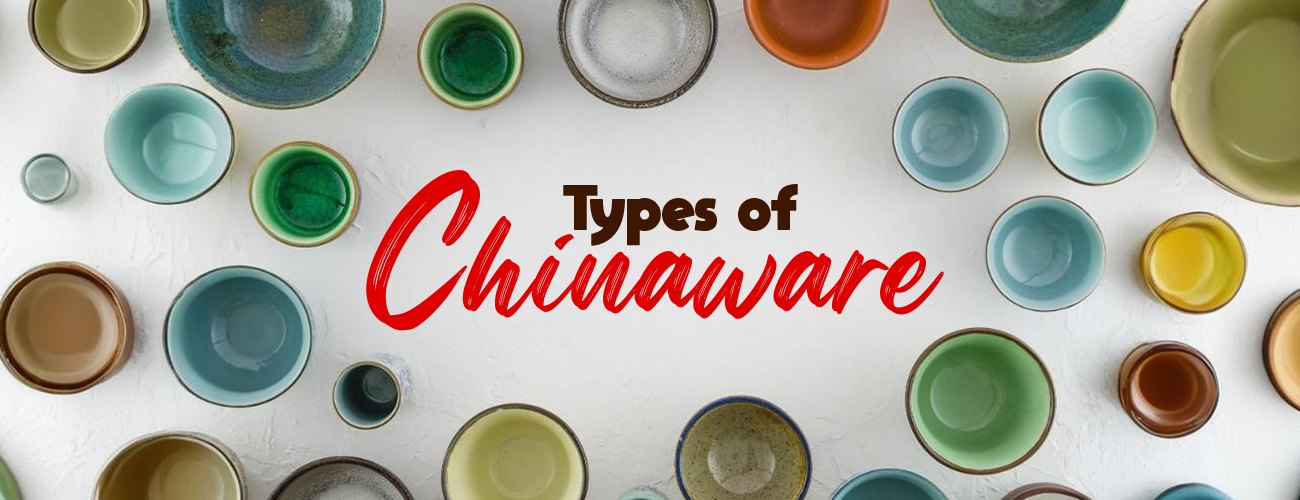
Running a successful restaurant involves more than just serving delicious food. The presentation, ambiance, and even the choice of chinaware play a crucial role in shaping the dining experience. But with so many options available, how do you determine the right tableware for your establishment?
In this guide, we'll explore the essentials of restaurant chinaware, helping you make informed decisions that elevate your guests' dining experience while complementing your restaurant's theme.
Understanding Different Types of Chinaware
Before diving into the essentials, it's important to understand the different types of chinaware available for restaurants. Each type has its own unique characteristics, making it suitable for specific settings and uses.
Bone China
Bone china is known for its delicate appearance and high durability. Made with bone ash, it’s lighter and more translucent than other types of porcelain. Despite its fragile appearance, bone china is incredibly strong and chip-resistant, making it a popular choice for upscale dining establishments.
Porcelain China
Porcelain china, also known as fine china, is made from a refined clay and fired at high temperatures. This process results in a durable, non-porous material that is resistant to chipping and cracking. Porcelain is perfect for formal settings, as it conveys elegance and sophistication.
Vitreous China
Vitreous china is similar to porcelain but is coated with a special glaze that makes it even more durable and resistant to stains. This type of chinaware is ideal for busy restaurants that need tableware that can withstand frequent use and washing.
Terracotta
Terracotta is a type of earthenware made from natural clay. It’s known for its rustic, earthy appearance and is often used in casual dining environments. Terracotta can add a warm, homely feel to your restaurant, but it’s more porous and less durable than porcelain or bone china.
Earthenware
Earthenware is another type of pottery made from clay, but it’s less refined and more porous than porcelain or stoneware. It has a casual, handmade appearance, which makes it suitable for rustic or traditional dining settings. However, it’s more prone to chipping and cracking, so it requires careful handling.
Stoneware
Stoneware is a type of pottery that is fired at high temperatures, making it non-porous and extremely durable. It has a more substantial feel than earthenware and is available in a variety of finishes and colors. Stoneware is versatile and can be used in both casual and formal settings.
Choosing the Right Chinaware for Your Restaurant
Now that you're familiar with the different types of chinaware, let's look at how to choose the right tableware for your restaurant.
Consider Your Restaurant's Theme
The style and theme of your restaurant should be a major factor in choosing your chinaware. For example, if you run a fine dining establishment, you might opt for bone china or porcelain for their elegance and sophistication. On the other hand, a rustic bistro might be better suited to the earthy tones of terracotta or stoneware.
Balance Aesthetics and Practicality
While aesthetics are important, practicality should not be overlooked. Consider the durability, weight, and ease of maintenance of your chosen chinaware. For a high-traffic restaurant, opting for vitreous china or stoneware might be wise due to their durability and resistance to wear and tear.
Evaluate Your Budget
The cost of chinaware can vary significantly depending on the material and brand. It's important to balance quality with budget considerations. Investing in high-quality, durable chinaware might have a higher upfront cost, but it can save you money in the long run by reducing the need for frequent replacements.
Assess Your Menu
Your menu can also influence your choice of chinaware. For example, if you serve a lot of hot dishes or soups, you might need bowls that retain heat well. Stoneware and porcelain are excellent choices for this purpose. If your menu features many colorful dishes, selecting a neutral-colored chinaware can help highlight the food presentation.
Maintaining Your Restaurant Chinaware
To ensure your chinaware remains in good condition, proper maintenance is essential.
Handling and Storage
Handle your chinaware carefully to prevent chips and cracks. Stack plates and bowls with padding in between to avoid direct contact. Store them in a dry, stable environment to prevent moisture damage.
Cleaning and Care
Follow the manufacturer’s instructions for cleaning your chinaware. Most modern tableware is dishwasher safe, but hand washing can prolong its lifespan. Avoid using abrasive cleaners or pads that can scratch the surface.
Regular Inspection
Regularly inspect your chinaware for signs of wear or damage. Replacing chipped or cracked pieces promptly ensures safety and maintains the visual appeal of your table settings.
Conclusion
Choosing the right chinaware for your restaurant is an important decision that can impact both the aesthetic and functional aspects of your establishment. By understanding the characteristics of different materials and considering your restaurant's theme, menu, and budget, you can select the perfect tableware that enhances your guests' dining experience.
Remember, high-quality, well-maintained chinaware not only adds to the visual appeal of your restaurant but also reflects your commitment to providing an exceptional dining experience. Invest wisely, maintain diligently, and your chinaware will serve you well for years to come.