
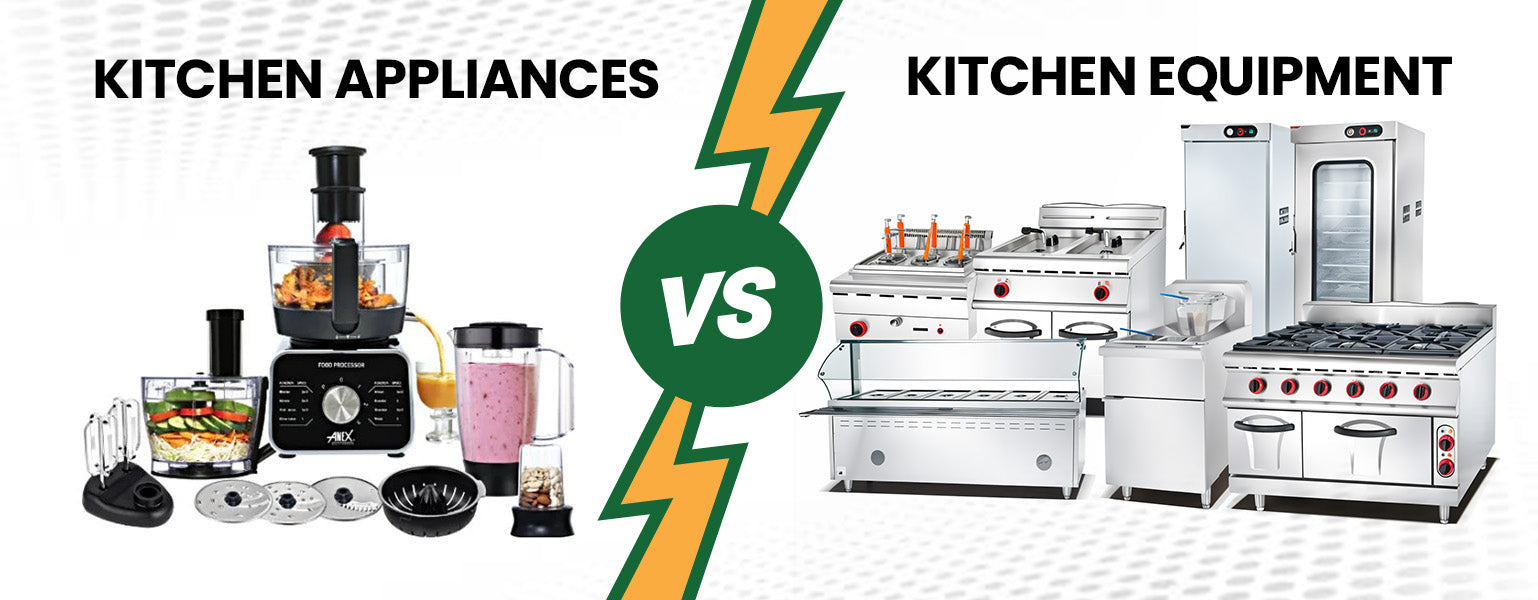
When you step into your kitchen, you are surrounded by a variety of items that help you prepare and cook meals. But have you ever wondered about the difference between kitchen appliances and kitchen equipment? Understanding these distinctions can aid in making informed purchasing decisions and organizing your kitchen space efficiently. In this article, we will explore the nuances between kitchen appliances, kitchen equipment, and kitchen utensils.
What Are Kitchen Appliances?
Kitchen appliances are electrical or mechanical machines that assist in household functions such as cooking, cleaning, and food preservation. They are typically powered by electricity or gas and include large items like refrigerators, ovens, and dishwashers, as well as smaller gadgets like blenders, toasters, and microwaves.
Key Features of Kitchen Appliances
- Power-Driven: Most kitchen appliances require a power source to operate. This distinguishes them from non-electrical kitchen equipment.
- Time-Saving: They are designed to perform tasks more efficiently and quickly compared to manual methods.
- Convenience: Appliances like coffee makers and food processors add a level of convenience to everyday tasks, often with the push of a button.
What Is Kitchen Equipment?
Kitchen equipment, on the other hand, refers to the tools and utensils that are used in the preparation, cooking, and serving of food. These items are usually manually operated and do not require a power source. Examples include pots, pans, knives, cutting boards, and measuring cups.
Key Features of Kitchen Equipment
- Manual Operation: Unlike appliances, kitchen equipment is typically used by hand.
- Versatility: Many kitchen tools can be used for multiple purposes, making them versatile additions to any kitchen.
- Durability: Quality kitchen equipment is often made from durable materials like stainless steel or cast iron, ensuring a long lifespan.
The Role of Kitchen Utensils
Kitchen utensils are a subset of kitchen equipment. They are handheld tools used for specific tasks such as mixing, flipping, or serving food. Common utensils include spatulas, ladles, whisks, and tongs. While they do not require power, they are essential for many cooking processes.
Comparing Kitchen Appliances and Equipment
Understanding the differences between kitchen appliances and equipment can help you make better decisions about what you need in your kitchen. Here are some key distinctions:
Functionality and Use
- Appliances: Primarily serve to automate and expedite kitchen tasks. They are ideal for tasks like blending, toasting, and baking.
- Equipment: Relies on human effort and skill. It is best for tasks that require precision or a personal touch, like chopping vegetables or kneading dough.
Cost and Maintenance
- Appliances: Tend to be more expensive due to their complexity and functionality. They often require regular maintenance and occasional repairs.
- Equipment: Generally less expensive and easier to maintain. High-quality equipment can last for years with proper care.
Space and Storage
Appliances: Usually larger and require dedicated counter or storage space. Some appliances are designed to be built-in, like dishwashers and ovens.
Equipment: Typically smaller and easier to store. They can often be hung on racks or stored in drawers.
Choosing the Right Kitchen Tools for Your Needs
When setting up your kitchen, it's important to consider your cooking habits and the types of meals you prepare regularly. Here are some tips for choosing the right tools:
- Assess Your Cooking Style: Are you a baker, a gourmet chef, or someone who prefers quick and easy meals? Your cooking style will influence the types of appliances and equipment you need.
- Consider Your Kitchen Space: If you have a small kitchen, prioritize multi-functional appliances and compact equipment.
- Budget Wisely: Invest in high-quality essentials that you will use regularly. It's better to have a few reliable items than a cluttered kitchen full of gadgets you seldom use.
Essential Kitchen Appliances and Equipment
To help you get started, here is a list of essential kitchen tools that every home cook should consider:
Must-Have Kitchen Appliances
- Refrigerator: Keeps food fresh and reduces spoilage.
- Oven/Range: Essential for baking, roasting, and cooking.
- Microwave: Offers quick heating and is perfect for reheating leftovers.
- Blender: Ideal for smoothies, soups, and sauces.
- Toaster: Convenient for quick breakfasts and snacks.
Essential Kitchen Equipment
- Chef's Knife: A versatile tool for chopping, slicing, and dicing.
- Cutting Board: Protects countertops and provides a stable surface for cutting.
- Mixing Bowls: Useful for mixing, marinating, and storing.
- Measuring Cups and Spoons: Essential for precise ingredient measurements.
- Pots and Pans: Necessary for boiling, frying, and sautéing.
Conclusion
Whether you're setting up a new kitchen or upgrading your existing one, understanding the difference between kitchen appliances and equipment is crucial. Appliances offer convenience and efficiency, while equipment provides versatility and precision. By selecting the right combination of tools, you can enhance your cooking experience and enjoy preparing meals at home.
Remember, the best kitchen tools are those that suit your personal cooking style and needs. Choose wisely, and your kitchen will become a place of creativity and enjoyment.