
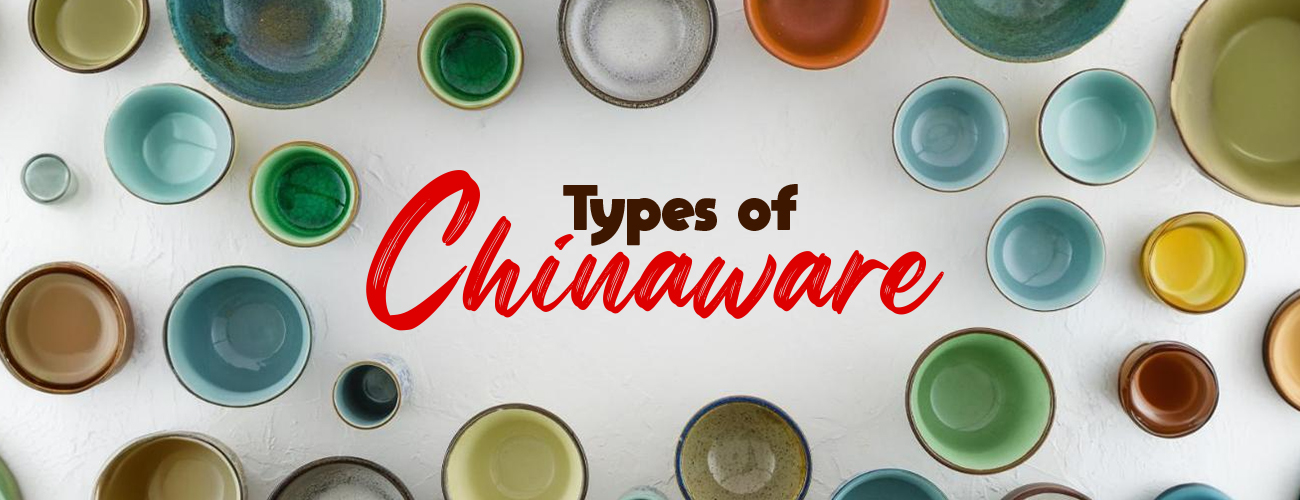
When it comes to selecting the right dinnerware for your restaurant, the choice between melamine and chinaware can be a pivotal decision. Each type of dishware offers its own set of benefits and drawbacks, and understanding these can help you make the best choice for your establishment.
In this article, we will explore the pros and cons of melamine and chinaware in restaurant settings, helping you determine which is more suitable for your needs.
Understanding Melamine Dishes
Melamine is a type of plastic that is known for its durability and resistance to breakage. It is widely used in the foodservice industry due to its resilience and practicality.
Pros of Melamine Dishes
Durability: One of the most significant advantages of melamine dishes is their durability. Unlike traditional ceramics, melamine dishes are resistant to breaking and chipping, making them ideal for high-traffic environments like restaurants.
Lightweight: Melamine is much lighter than chinaware, which makes it easier for staff to handle and reduces the risk of accidents. This can be particularly beneficial in busy restaurant settings.
Cost-Effective: Melamine dishes are generally more affordable than chinaware, making them a cost-effective option for restaurant owners looking to minimize expenses.
Variety of Designs: Melamine dishes come in a wide range of designs and colors, allowing you to choose options that match the aesthetic of your restaurant.
Temperature Resistance: Melamine can withstand high temperatures, which makes it suitable for serving hot foods without the risk of damage.
Cons of Melamine Dishes
Not Microwave Safe: One of the main disadvantages of melamine is that it is not safe for use in microwaves. The material can warp or release harmful chemicals when exposed to high microwave temperatures.
Perception of Quality: Some diners may perceive melamine dishes as being lower in quality compared to traditional chinaware, which can affect the dining experience.
Environmental Impact: As a type of plastic, melamine is not biodegradable, which can be a concern for environmentally-conscious restaurant owners.
Understanding Chinaware
Chinaware, often referred to as porcelain or ceramic dishes, is a classic choice for many restaurants. Known for its elegance and timeless appeal, chinaware can enhance the dining experience.
Pros of Chinaware
Aesthetic Appeal: Chinaware is often associated with high-end dining due to its elegant and refined appearance. It can elevate the overall atmosphere of your restaurant.
Microwave Safe: Unlike melamine, chinaware is typically safe for use in microwaves, allowing for greater flexibility in reheating and serving dishes.
Heat Retention: Chinaware retains heat better than melamine, which can help keep food warmer for longer periods, enhancing the dining experience.
Perceived Quality: Many diners associate chinaware with quality and luxury, which can positively influence their perception of your restaurant.
Cons of Chinaware
Fragility: Chinaware is more prone to breaking and chipping compared to melamine. This can lead to higher replacement costs and potential safety hazards in the kitchen.
Heavier Weight: Chinaware is heavier than melamine, which can make it more cumbersome for staff to handle, especially during busy service periods.
Higher Cost: Chinaware tends to be more expensive than melamine, which can be a significant consideration for budget-conscious restaurant owners.
Limited Designs: While chinaware offers a classic look, it may not offer the same variety of modern designs and colors available with melamine.
Making the Right Choice for Your Restaurant
When deciding between melamine and chinaware for your restaurant, it is essential to consider the specific needs and priorities of your establishment.
Considerations for Choosing Melamine
High-Volume Restaurants: If your restaurant experiences high traffic and fast-paced service, melamine’s durability and lightweight nature can be advantageous.
Casual Dining: For casual dining environments, melamine offers a cost-effective and practical solution without compromising on style.
Outdoor or Buffet Settings: Melamine is ideal for outdoor or buffet settings where durability and break-resistance are crucial.
Considerations for Choosing Chinaware
Fine Dining: In a fine dining setting, chinaware’s elegance and heat retention can enhance the overall dining experience.
Focus on Presentation: If presentation and perceived quality are top priorities, chinaware may be the better choice.
Microwave Use: If you frequently reheat dishes, chinaware’s microwave-safe nature is a significant advantage.
Final Thoughts
Ultimately, the decision between melamine and chinaware will depend on your restaurant’s unique needs, budget, and brand identity. Both options have their merits and can serve your establishment well if chosen thoughtfully.
By weighing the pros and cons outlined above, you can make an informed decision that aligns with your restaurant’s goals and enhances the dining experience for your guests.
In the competitive world of hospitality, choosing the right dishware can make a significant difference in both operational efficiency and customer satisfaction. Consider your options carefully and select the dishware that best meets the demands of your restaurant.