
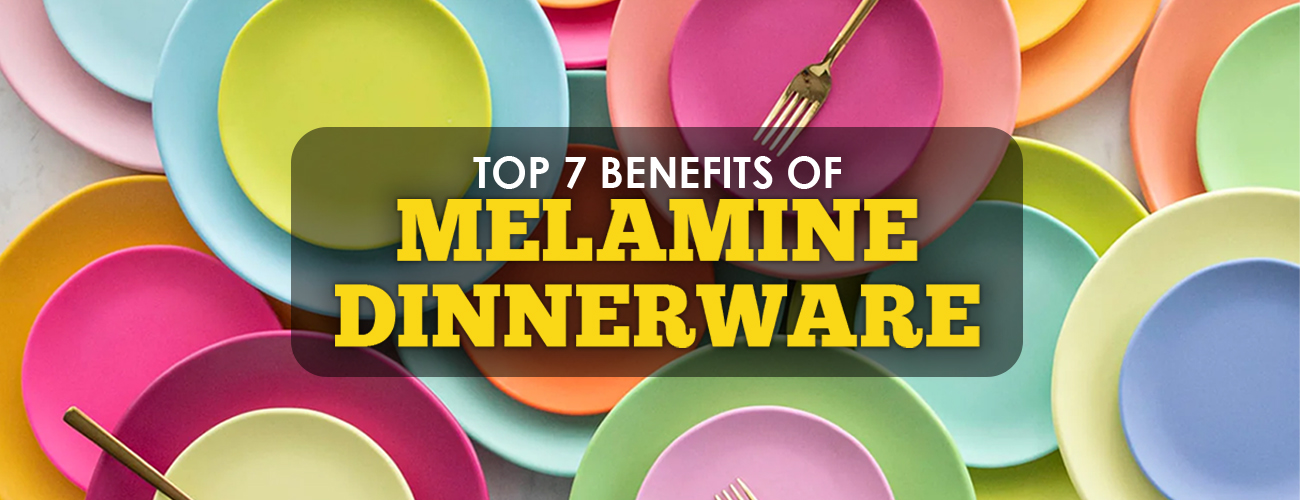
In the world of dining, the choice of dinnerware is more than just about aesthetics. It's about functionality, durability, and cost-effectiveness. For restaurant owners, selecting the right dinnerware is crucial as it impacts both the dining experience and the bottom line. In recent years, melamine dinnerware has become a popular choice among restaurateurs. But how does it compare to traditional dinnerware options? Let's explore why melamine might be the right fit for your restaurant.
Understanding Melamine Dinnerware
Melamine is a type of plastic that is durable, lightweight, and resistant to breakage. It is made from an organic compound mixed with strengthening materials, creating a sturdy yet appealing alternative to ceramic and glass dinnerware. Melamine plates and bowls come in various designs and colors, making them versatile for different dining settings.
Benefits of Melamine Dinnerware
Durability: One of the standout features of melamine dinnerware is its durability. Unlike ceramic or glass, melamine is shatterproof, which means it's less likely to break if dropped. This makes it an excellent choice for busy restaurants where accidents are bound to happen.
Lightweight: Melamine is significantly lighter than traditional dinnerware materials. This makes it easier for servers to carry multiple plates at once, improving service efficiency. For outdoor dining, where transporting dinnerware can be cumbersome, melamine offers a practical solution.
Cost-Effective: While the initial investment in melamine dinnerware might be comparable to traditional options, its longevity ensures cost savings over time. Since melamine doesn’t break easily, replacements are less frequent, reducing long-term expenses.
Versatile Designs: Melamine plates are available in a wide range of styles and colors, allowing restaurants to maintain their aesthetic without compromising on durability.
Comparing Melamine with Traditional Dinnerware
Traditional Dinnerware: Pros and Cons
Traditional dinnerware, typically made from ceramic, porcelain, or glass, has been a staple in restaurants for decades. These materials are known for their elegance and classic appeal. However, they come with their own set of challenges.
Pros:
Aesthetic Appeal: Traditional dinnerware often has a sophisticated look that is perfect for fine dining establishments.
Heat Retention: Materials like ceramic and porcelain retain heat well, keeping food warm longer.
Cons:
Fragility: Traditional materials are prone to chipping and breaking, which can lead to frequent replacements.
Weight: Ceramic and glass are heavier, which can be cumbersome for servers and during setup.
Why Melamine is a Better Fit for Restaurants
For many restaurants, especially those with a high volume of traffic or those offering outdoor dining experiences, melamine provides practical advantages over traditional dinnerware. Its durability reduces the risk of breakage, leading to fewer disruptions in service and lower replacement costs. Additionally, its lightweight nature makes it easier for staff to handle, enhancing service speed and efficiency.
Melamine in Outdoor Dining
Outdoor dining has become increasingly popular, offering patrons a chance to enjoy meals in a more relaxed and open environment. However, serving meals outside presents unique challenges, particularly regarding dinnerware.
The Perfect Choice for Al Fresco Dining
Melamine's durability and lightweight nature make it particularly suited for outdoor settings. In environments where uneven surfaces and accidental drops are more common, melamine's shatterproof quality ensures that dining experiences are uninterrupted by broken dishes. Furthermore, its resistance to chipping and scratching means it can withstand the rigors of outdoor use without losing its appeal.
Addressing Common Concerns About Melamine
While melamine offers numerous benefits, there are some common concerns and misconceptions that should be addressed.
Safety Concerns
Some people worry about the safety of melamine, especially when used with hot foods. It's important to note that melamine dinnerware is safe for use with both hot and cold foods. However, it should not be used in microwaves or ovens, as high temperatures can cause it to weaken or release chemicals.
Environmental Impact
Another concern is the environmental impact of plastic products. While melamine is not biodegradable, many manufacturers now offer melamine products that are BPA-free and made with eco-friendly processes. Additionally, the long lifespan of melamine reduces the need for frequent replacements, which can offset its environmental footprint.
Conclusion: Making the Right Choice for Your Restaurant
Choosing between melamine and traditional dinnerware ultimately depends on the specific needs and style of your restaurant. For establishments that prioritize durability, cost-efficiency, and versatility, melamine dinnerware offers a compelling alternative to traditional options. Its benefits are particularly pronounced in high-traffic and outdoor dining scenarios, where the risk of damage is higher.
By carefully considering the pros and cons of each type of dinnerware, restaurant owners can make informed decisions that enhance both the dining experience and operational efficiency. Whether you're opening a new restaurant or reevaluating your current dinnerware options, melamine might just be the solution you’ve been looking for.
In the end, the choice of dinnerware should align with your restaurant’s brand, needs, and customer expectations. With its blend of practicality and style, melamine dinnerware offers a modern solution that meets the demands of today's dynamic dining environments.