
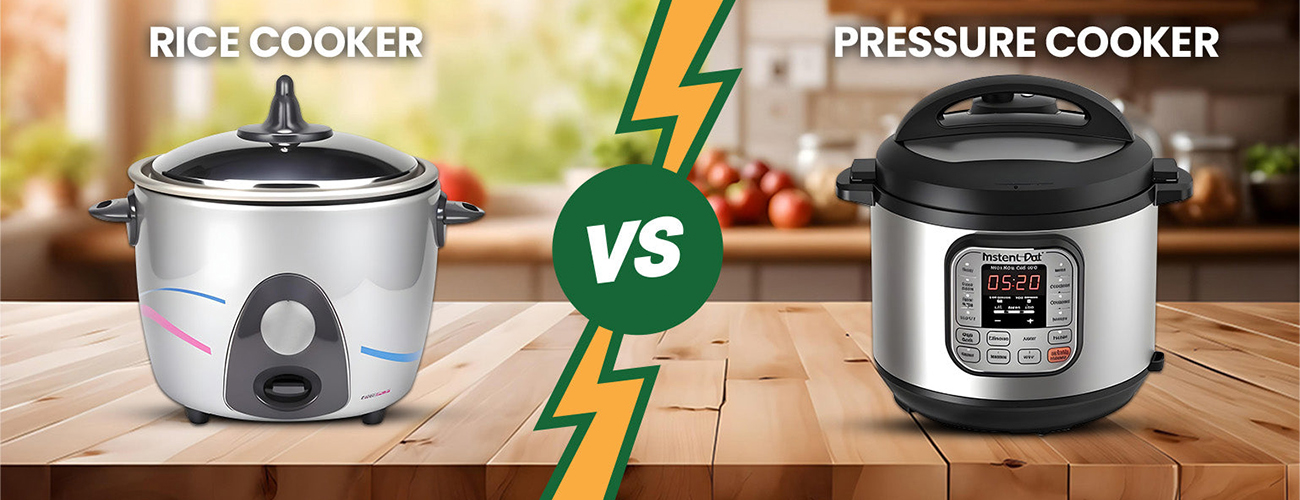
When it comes to equipping your kitchen with the right appliances, the choices can sometimes be overwhelming. Two popular options that many people consider are rice cookers and pressure cookers. Each has its unique set of features and benefits, but how do you decide which one fits your kitchen needs the best? In this article, we'll dive deep into the differences between rice cookers and pressure cookers, helping you make an informed decision.
Understanding the Basics
Before we delve into the specifics, let's understand what these two appliances are designed to do.
What is a Rice Cooker?
A rice cooker is a kitchen appliance specifically designed to cook rice to perfection. It simplifies the process of cooking rice by automating the time and temperature control. With a rice cooker, you can enjoy consistently cooked rice without the hassle of monitoring a pot on the stove.
What is a Pressure Cooker?
A pressure cooker, on the other hand, is a versatile appliance that can cook a variety of foods quickly. It uses steam pressure to raise the boiling point of water, allowing food to cook faster than it would using conventional methods. From stews and soups to beans and tough cuts of meat, a pressure cooker can handle it all.
Key Features and Benefits
Understanding the primary features and benefits of each appliance can help you determine which one is more suitable for your kitchen needs.
Rice Cooker Features
- Simplicity and Convenience: Rice cookers are incredibly easy to use. Simply add rice and water, select the appropriate setting, and let the cooker do the work.
- Consistent Results: With precise temperature control, rice cookers deliver perfectly cooked rice every time.
- Keep Warm Function: Most rice cookers come with a keep warm function, ensuring your rice stays warm until you're ready to serve.
- Versatility for Grains: Besides rice, you can also use a rice cooker to prepare other grains like quinoa and oats.
Pressure Cooker Features
- Speed and Efficiency: Pressure cookers significantly reduce cooking time, making them ideal for busy schedules.
- Versatility in Cooking: You can prepare a wide range of dishes, from soups and stews to desserts and even yogurt.
- Energy Savings: Due to reduced cooking times, pressure cookers consume less energy compared to traditional cooking methods.
- Nutrient Retention: Cooking under pressure helps retain more nutrients in the food compared to boiling or steaming.
Comparing Cooking Times
One of the most significant differences between rice cookers and pressure cookers is the cooking time. Let's look at a few examples:
- Rice: A rice cooker takes about 20-30 minutes to cook rice, while a pressure cooker can do it in about 6-8 minutes.
- Beans: Pressure cookers can cook beans in about 20-30 minutes, whereas traditional methods might take hours.
- Meat: Tough cuts of meat that usually require slow cooking for tenderness can be prepared in a pressure cooker in under an hour.
Safety Considerations
While both appliances are generally safe to use, it's essential to follow the manufacturer's instructions to avoid accidents.
Rice Cooker Safety
- Automatic Shut-Off: Rice cookers automatically shut off when the cooking cycle is complete, reducing the risk of overcooking or burning.
- Cool-Touch Exterior: Many rice cookers feature a cool-touch exterior to prevent burns.
Pressure Cooker Safety
- Pressure Release Valve: Modern pressure cookers come with a safety valve to release excess pressure safely.
- Locking Lid: A locking lid prevents the cooker from being opened until the pressure inside is safely reduced.
Making the Right Choice for Your Kitchen
Choosing between a rice cooker and a pressure cooker ultimately depends on your cooking habits and kitchen needs.
When to Choose a Rice Cooker
- If you primarily cook rice and other grains.
- If you prefer a straightforward, set-it-and-forget-it appliance.
- If you want consistently perfect rice every time.
When to Choose a Pressure Cooker
- If you need to prepare a variety of dishes quickly.
- If you want to save time and energy in the kitchen.
- If you enjoy experimenting with different recipes and cooking techniques.
Conclusion
Both rice cookers and pressure cookers offer unique advantages that cater to different kitchen needs. If your primary focus is cooking rice and grains, a rice cooker could be the perfect addition to your kitchen. However, if versatility and speed are your priorities, a pressure cooker might be the better choice.
Ultimately, the decision comes down to your cooking preferences, lifestyle, and the types of meals you enjoy preparing. By understanding the key differences and features of each appliance, you can confidently choose the one that best fits your kitchen needs.