
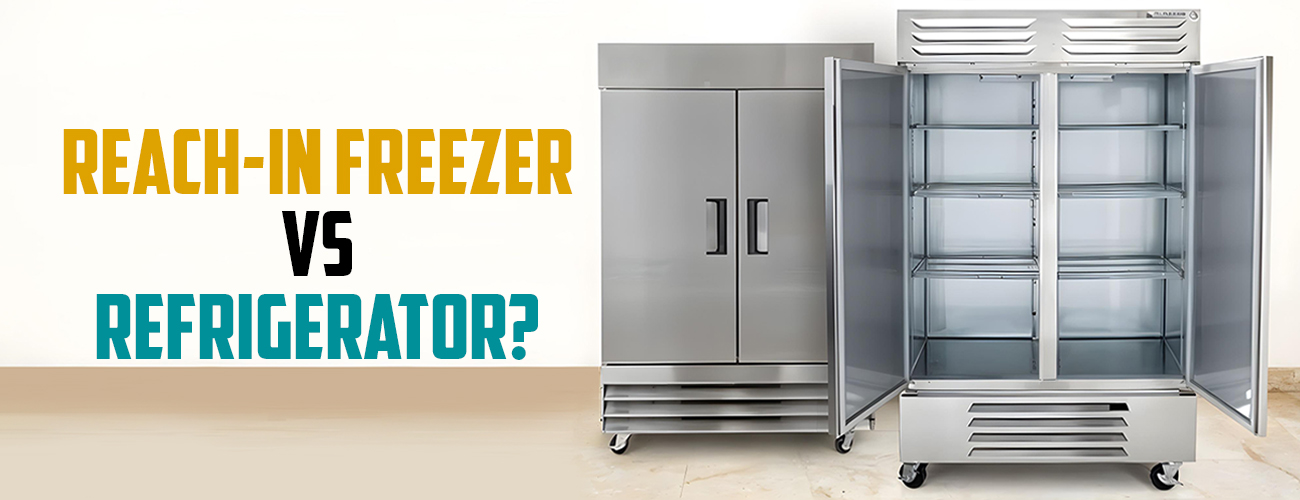
Selecting the right reach-in unit freezer or refrigerator for your business can be a daunting task. With a plethora of options available, understanding the differences and knowing what to look for can make all the difference. This guide will help you navigate through the decision-making process to ensure you select the best equipment that meets your business needs.
Understanding Reach-In Freezers and Refrigerators
Reach-in units are essential pieces of equipment in any food service business, providing convenient access to frozen or refrigerated goods. These units come in various sizes, styles, and configurations. Understanding the basic types can help you make an informed decision.
Types of Reach-In Units
- Upright Freezers: These are vertical units with shelves, ideal for maximizing storage in a small footprint. They are perfect for kitchens with limited space but require more frequent defrosting.
- Commercial Freezers: These are designed to withstand the demands of a busy kitchen. With robust construction and powerful cooling systems, commercial freezers maintain consistent temperatures even when the doors are frequently opened.
- Dual-Temperature Units: Some reach-in units offer both refrigerator and freezer compartments, providing flexibility and saving space.
Key Features to Consider
When selecting a reach-in unit freezer or refrigerator, there are several key features to evaluate:
Size and Capacity
First, assess the available space in your kitchen and the volume of goods you need to store. Measure the area where the unit will be placed, considering doorways and other obstructions. The capacity should align with your business needs; too small a unit will lead to crowding, while an oversized unit may waste energy.
Energy Efficiency
Energy-efficient models can significantly reduce operational costs over time. Look for units with the ENERGY STAR label, which meet strict energy efficiency guidelines. Features like LED lighting, high-efficiency compressors, and advanced insulation can also contribute to better energy performance.
Temperature Range and Control
Consistent temperature control is crucial for food safety and quality. Choose a unit with a reliable temperature range suitable for your specific storage needs. Digital thermostats and easy-to-read displays are beneficial for accurate monitoring and adjustments.
Construction and Durability
Commercial kitchens require equipment that can withstand heavy use. Stainless steel construction is preferred for its durability and ease of cleaning. Check for features like reinforced doors and heavy-duty hinges, which enhance the longevity of the unit.
Special Considerations
Accessibility and Organization
Efficient organization can improve kitchen workflow. Look for units with adjustable shelving, which allows for customized storage configurations. Full-length doors provide easy access, but split doors can minimize temperature loss when frequently accessed.
Maintenance and Cleaning
Regular maintenance is key to the longevity of your equipment. Choose units with removable gaskets, easy-to-clean interiors, and accessible condenser coils to simplify maintenance tasks.
Cost and Warranty
Budget is always a consideration. While upfront costs are important, consider the long-term savings from energy efficiency and reduced maintenance needs. Review warranty options and after-sales support to protect your investment.
Making the Right Choice
When making your selection, consider your specific business needs, including the type of food service you offer, the volume of goods you need to store, and your kitchen layout. A thorough evaluation of these factors will guide you in choosing the best reach-in unit freezer or refrigerator for your business.
Consult with Professionals
If you're unsure, consulting with a kitchen equipment professional can provide valuable insights. They can offer recommendations based on your unique requirements and help you avoid common pitfalls.
Planning for the Future
Consider not just your current needs but also potential future growth. A slightly larger unit might be more beneficial if you anticipate an increase in storage needs.
Conclusion
Selecting the perfect reach-in unit freezer or refrigerator involves careful consideration of various factors, from size and energy efficiency to durability and cost. By thoroughly evaluating your business needs and understanding the features available, you can make an informed decision that will serve your kitchen well for years to come. Investing in the right equipment not only ensures food quality and safety but also contributes to the overall efficiency and success of your food service operation.
taking the time to research and choose the right reach-in unit will pay off in improved kitchen operations and energy savings. With the right unit, you can maintain food quality, ensure food safety, and enhance your kitchen's efficiency, ultimately contributing to your business's success.