
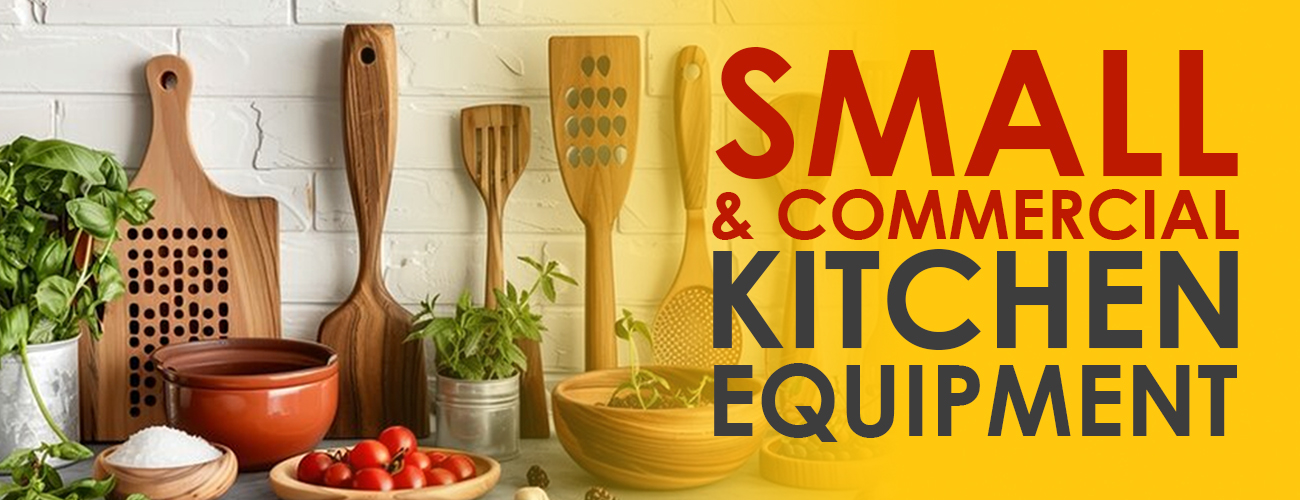
In the culinary world, the kitchen is where the magic happens. Whether you're a home cook or a professional chef, having the right kitchen equipment is essential. But when it comes to outfitting a kitchen, the needs of a small kitchen differ vastly from those of a commercial kitchen. Understanding these differences can help you choose the right tools for your culinary adventures.
Understanding Small Kitchen Equipment
Small kitchen equipment refers to the tools and utensils commonly found in home kitchens. These items are designed for personal or family use and usually cater to cooking for a smaller group of people. Let's take a closer look at what constitutes small kitchen equipment.
Key Components of Small Kitchen Equipment
- Kitchen Utensils: These include items like spatulas, whisks, tongs, and peelers. They are essential for everyday cooking tasks and are generally lightweight and easy to handle.
- Appliances: Small kitchen appliances, such as blenders, toasters, and microwaves, are designed for convenience and efficiency. They often come in compact sizes to fit on countertops without taking up too much space.
- Cookware: Pots, pans, and baking dishes fall under this category. Home cookware is usually designed for moderate use and is often made of materials like stainless steel, non-stick coatings, or cast iron.
- Kitchen Accessories: These include measuring cups, cutting boards, and mixing bowls. They help with meal prep and organization in the kitchen.
Advantages of Small Kitchen Equipment
Small kitchen equipment is perfect for home cooks because it is generally more affordable and accessible. It allows for a wide range of cooking techniques without requiring a large investment. Plus, these tools are easy to store and maintain, making them ideal for those with limited kitchen space.
Diving Into Commercial Kitchen Equipment
Commercial kitchens, often found in restaurants, catering businesses, and hotels, are designed for high-volume cooking and efficiency. The equipment used in these kitchens is specialized to handle large quantities of food and demanding use.
Essential Commercial Kitchen Equipment
- Heavy-Duty Appliances: Industrial-grade ovens, ranges, and fryers are common in commercial kitchens. These appliances are built to withstand continuous use and are often larger and more powerful than their residential counterparts.
- Refrigeration Units: Commercial kitchens require large refrigerators and freezers to store bulk ingredients. These units are designed for efficiency and are often equipped with features to maintain consistent temperatures.
- Professional Cookware: Commercial-grade pots and pans are made from durable materials like heavy-gauge stainless steel or aluminum to withstand rigorous use.
- Specialized Equipment: Items like meat slicers, dough mixers, and industrial blenders are common in commercial kitchens. They are designed for specific tasks and can handle large volumes of food.
Benefits of Small Kitchen Equipment
The equipment in a commercial kitchen is designed for efficiency, durability, and speed. This allows chefs to prepare large quantities of food quickly and maintain consistent quality. Additionally, commercial kitchen equipment is often built with safety features to protect workers in a fast-paced environment.
Comparing Small and Commercial Kitchen Equipment
Capacity and Scale
The most significant difference between small and commercial kitchen equipment is the scale of operation. Small kitchen equipment is ideal for individual or family use, while commercial equipment is designed to handle the demands of a busy restaurant or catering service.
Material and Durability
Commercial kitchen equipment is typically constructed from heavy-duty materials to endure continuous use. In contrast, small kitchen equipment is often designed for lighter use with materials that are suitable for home cooking.
Cost Considerations
Cost is another significant factor when comparing the two. Small kitchen equipment is generally more affordable and accessible to the average consumer. Commercial kitchen equipment, due to its size and durability, tends to be more expensive and represents a larger investment.
Space Requirements
Space is a crucial consideration when choosing between small and commercial kitchen equipment. Commercial kitchens require ample space to accommodate large appliances and workstations, whereas small kitchen equipment is designed to fit into compact spaces.
Making the Right Choice for Your Kitchen
Choosing the right kitchen equipment depends on your specific needs and cooking habits. Here are some factors to consider:
- Frequency of Use: If you cook often and in large quantities, investing in more durable equipment may be worthwhile. For occasional cooking, small kitchen equipment will suffice.
- Space Availability: Consider the space you have available in your kitchen. Commercial equipment requires more space, which may not be feasible for home kitchens.
- Budget: Determine how much you're willing to invest in kitchen equipment. Remember that while commercial equipment may offer more features, it also comes with a higher price tag.
- Cooking Style: Consider what types of dishes you prepare most frequently. Specialized equipment can enhance your cooking experience, but only if it aligns with your culinary preferences.
Conclusion
Whether you are outfitting a cozy home kitchen or a bustling commercial establishment, understanding the differences between small and commercial kitchen equipment is crucial. By evaluating your needs, budget, and space, you can make informed decisions that will enhance your culinary endeavors. With the right tools in hand, you'll be well-equipped to create delicious meals, whether for a family dinner or a full-service restaurant.