
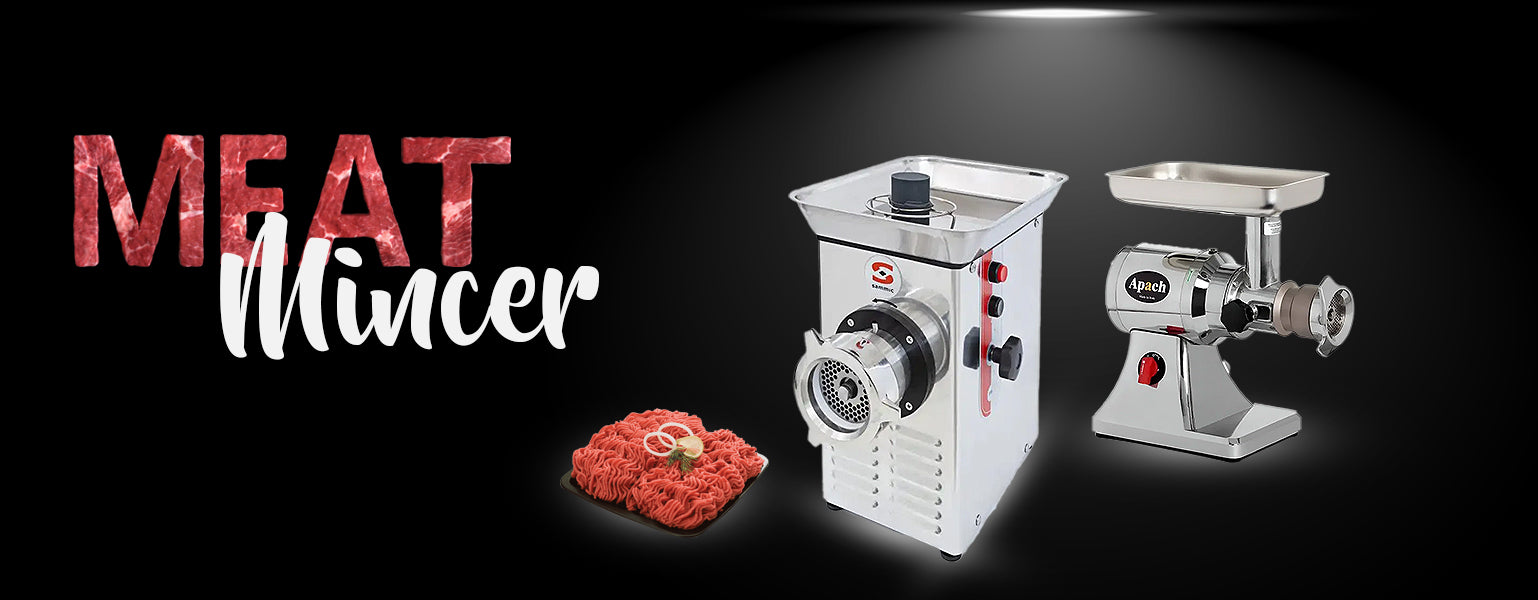
Using a meat grinder can be an excellent way to prepare fresh, flavorful ground meat at home. Whether you're grinding beef, pork, poultry, or any other type of meat, it's essential to understand the safety and efficiency aspects of using this kitchen tool. This guide will walk you through the necessary steps to ensure you're using your meat grinder safely and effectively.
Why Use a Meat Grinder?
A meat grinder allows you to control the quality and flavor of your ground meat. Store-bought ground meat can sometimes contain additives or be less fresh. Grinding your own meat lets you choose the cuts and even experiment with different meat blends. Plus, it can be more economical and delicious.
Essential Meat Grinder Safety Tips
Before we dive into the process, it's crucial to understand some foundational safety tips when using a meat grinder. Kitchen safety is paramount, and a meat grinder, like any tool, requires caution.
Keep Your Workspace Clean and Organized
A clean and organized workspace is key to kitchen safety. Before you begin grinding meat, ensure your work area is free of clutter and that all necessary tools are within reach. This includes the grinder itself, bowls for collecting ground meat, and utensils for handling the meat.
Ensure Proper Assembly
Make sure your meat grinder is properly assembled before use. Follow the manufacturer's instructions to assemble the grinder correctly. A poorly assembled grinder can malfunction or lead to injury.
Use Cold Meat and Equipment
One of the most important food safety tips when using a meat grinder is to keep everything cold. Cold meat grinds more easily and reduces the risk of bacteria growth. Chill your meat in the freezer for about 30 minutes before grinding. Similarly, keep your grinder's blades, plates, and other parts cold.
Avoid Overloading the Grinder
Overloading your grinder can cause it to jam or overheat. Feed small amounts of meat at a time and use a pusher tool, not your hands, to guide the meat into the grinder. This ensures the grinder operates smoothly and safely.
Maintain Sharp Blades
Sharp blades are crucial for a smooth grinding process. Dull blades can cause the grinder to work harder, leading to jams and inefficient grinding. Regularly check and sharpen or replace your grinder's blades as needed.
Step-by-Step Guide to Using a Meat Grinder
Now that we've covered the essential safety tips, let's walk through the step-by-step process of using a meat grinder.
Step 1: Gather Your Materials
Before you start, gather all the materials you'll need:
Meat grinder
Pre-chilled meat
Bowls for catching ground meat
Pusher tool
Knife for cutting meat into small pieces
Step 2: Prepare the Meat
Cut the meat into small, uniform chunks that will fit easily into the grinder's feed tube. Remove any bones, gristle, or sinew, as these can damage the grinder or affect the quality of the ground meat. Remember to keep the meat cold during this process.
Step 3: Assemble the Grinder
Follow the manufacturer's instructions to assemble your meat grinder. Ensure all parts are securely in place and that the blades are sharp. Double-check that the grinder is stable and positioned over a bowl to catch the ground meat.
Step 4: Begin Grinding
Turn on the grinder and start feeding the prepared meat into the feed tube. Use the pusher tool to guide the meat through the grinder. Avoid using your hands or any other tools that are not meant for this purpose.
Step 5: Monitor the Process
As you grind, keep an eye on the process. Ensure the meat is being ground evenly and that the grinder is not becoming overloaded. If you notice the grinder slowing down or jamming, stop and check for any obstructions.
Step 6: Clean and Store the Grinder
Once you've finished grinding, it's time to clean and store your meat grinder. Disassemble the grinder and wash all parts thoroughly with hot, soapy water. Allow all parts to dry completely before reassembling and storing the grinder. This will prevent rust and maintain the grinder's efficiency.
use.
Additional Kitchen Safety Tips
In addition to the specific safety tips for using a meat grinder, keep these general kitchen safety tips in mind:
Always wash your hands before and after handling raw meat to prevent cross-contamination.
Sanitize your work surfaces and utensils regularly.
Keep knives and other sharp tools stored safely when not in use
Conclusion
Using a meat grinder can be a rewarding experience, giving you control over the quality and flavor of your ground meat. By following these meat grinder safety tips and our step-by-step guide, you'll ensure a safe and efficient grinding process. With practice, you'll become more confident and adept at using your meat grinder, opening up a world of culinary possibilities.
Remember, kitchen safety is always a priority, and with these tips, you can enjoy the benefits of freshly ground meat without any worries. Happy grinding!