
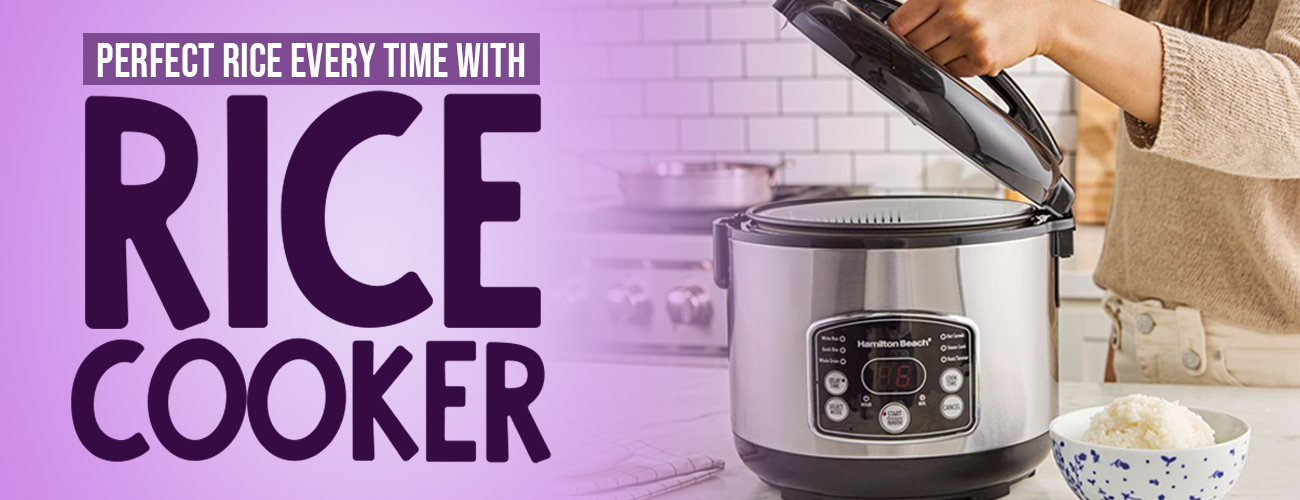
Cooking rice might seem simple, but achieving that perfect fluffy texture can be elusive. Enter the rice cooker—a versatile kitchen gadget that takes the guesswork out of rice preparation. Whether you're using a basic rice cooker or an advanced induction heat rice cooker, this step-by-step guide will help you make the perfect rice every time.
Understanding Your Rice Cooker
Before diving into the process, it's important to understand the type of rice cooker you have. Rice cookers come in various forms, from basic models to electric and multi-purpose cookers. Here’s a quick rundown:
Basic Rice Cooker
The basic rice cooker is straightforward. It usually features a simple on/off switch and a heating element. This type is perfect for those who want an uncomplicated rice cooking experience.
Electric Rice Cooker
Electric rice cookers often include additional settings for different types of rice or even for steaming vegetables. They provide more flexibility and control over the cooking process.
Induction Heat Rice Cooker
Induction heat rice cookers use electromagnetic energy to heat the pot directly, resulting in more even cooking. These are typically more expensive but ideal for rice enthusiasts looking for perfect consistency.
Multi-Purpose Rice Cooker
These cookers can do more than just cook rice. They often have settings for cooking grains, soups, and even baking. This option is great if you want an all-in-one kitchen appliance.
Preparing the Rice
The key to perfect rice lies in preparation. Here’s how to do it:
Step 1: Measure Your Rice
Use the measuring cup that comes with your rice cooker to measure the desired amount of rice. Most rice cookers use a standard 180 ml cup.
Step 2: Rinse the Rice
Rinsing is crucial to remove excess starch, which can make rice sticky. Place the rice in a bowl and rinse with cold water, swirling it around with your hand. Drain and repeat until the water is mostly clear.
Step 3: Measure the Water
The water-to-rice ratio is essential for perfect rice. A common ratio is 1:1.5 (rice to water) for white rice, but this may vary depending on the type of rice and personal preference. Consult your rice cooker’s manual for specific guidance.
Cooking the Rice
Once the rice is prepared, it’s time to cook:
Step 4: Add Rice and Water to the Cooker
Place the rinsed rice in the rice cooker pot, then add the measured water. Ensure that the rice is evenly distributed at the bottom of the pot.
Step 5: Set the Cooker
Turn on your rice cooker. If you have a basic model, simply press the switch. For electric and multi-purpose cookers, select the appropriate setting for the type of rice you're cooking.
Step 6: Let it Cook
Allow the rice cooker to work its magic. Once the cooking cycle is complete, the cooker will automatically switch to a "keep warm" setting.
Finishing Touches
Perfect rice doesn’t end with cooking. Follow these steps to enhance your dish:
Step 7: Let it Sit
After the cooker switches to "keep warm," let the rice sit for about 5-10 minutes. This resting period allows the moisture to redistribute, resulting in fluffier rice.
Step 8: Fluff the Rice
Use a rice paddle or fork to gently fluff the rice, releasing any trapped steam and preventing clumping.
Tips for Perfect Rice Every Time
Achieving perfect rice is an art. Here are additional tips to master it:
Experiment with Ratios: Different types of rice require different water ratios. Don’t be afraid to experiment to find what works for you.
Check for Consistency: If your rice is too dry, add a bit more water next time. If too wet, reduce the water slightly.
Try Broth Instead of Water: For added flavor, use chicken or vegetable broth instead of water.
Troubleshooting Common Issues
Even with a rice cooker, things can go wrong. Here’s how to fix common problems:
Rice is Mushy
If your rice turns out mushy, reduce the amount of water next time. Make sure you're not overfilling the cooker.
Rice is Undercooked
Undercooked rice usually means not enough water was used. Add a bit more water, and ensure the cooker lid is properly sealed.
Rice is Stuck to the Pot
To prevent sticking, ensure the rice is well-rinsed before cooking. Adding a small amount of oil or butter can also help.
Conclusion
A rice cooker simplifies the process of making perfect rice, but understanding how to use it effectively is key. Whether you have a basic or multi-purpose rice cooker, following these steps will help you produce delicious, fluffy rice every time. With practice and a little experimentation, you'll become a rice-cooking expert in no time. Enjoy your perfectly cooked rice as a side dish or a base for your favorite meals.