
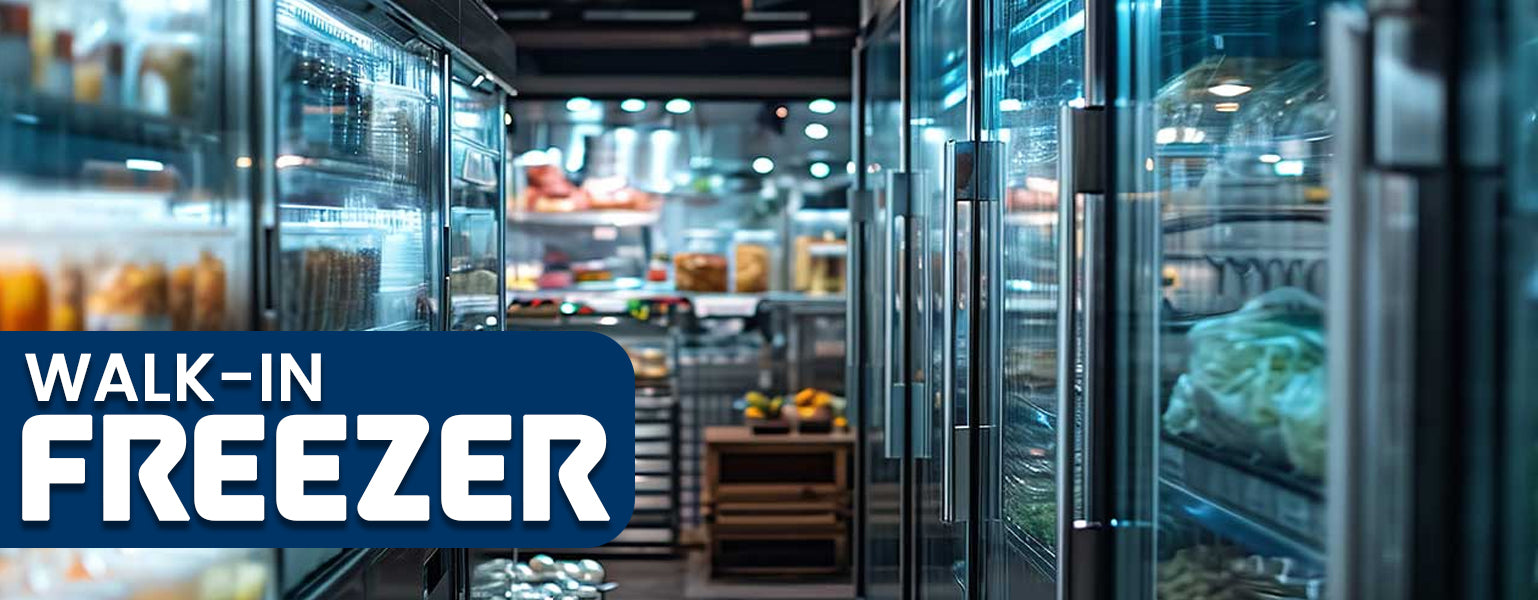
When you're running a restaurant, choosing the right walk-in freezer is crucial. It's not just about keeping your food cold; it's about ensuring quality, safety, and efficiency in your kitchen operations. This guide will walk you through everything you need to know to make the best choice for your restaurant.
Understanding the Importance of a Walk-In Freezer
A walk-in freezer is more than just a cold storage unit. It plays a vital role in maintaining the freshness of your ingredients and ensuring that your kitchen runs smoothly. With the right walk-in freezer, you can keep your inventory organized, reduce food waste, and meet health and safety regulations.
Key Benefits of a Walk-In Freezer
Space Efficiency: Walk-in freezers offer ample space to store large quantities of food, allowing you to buy in bulk and save money.
Temperature Control: They provide consistent and adjustable temperatures, crucial for preserving the quality of various food items.
Energy Efficiency: Modern walk-in freezers are designed to be energy efficient, helping you save on utility bills while keeping your carbon footprint in check.
Factors to Consider When Choosing a Walk-In Freezer
Choosing the right walk-in freezer involves considering several important factors. Let's explore these to ensure you make an informed decision.
Size and Capacity
The first thing to consider is the size and capacity of the freezer. Assess your storage needs based on the volume of food you plan to store. A freezer that's too small will lead to overcrowding and inefficient cooling, while one that's too large will waste energy.
Location and Installation
Where you place your walk-in freezer is critical. Consider the layout of your kitchen and the flow of operations. The freezer should be easily accessible to your staff but also strategically placed to optimize space and efficiency. Additionally, ensure there is adequate ventilation and that the floor can support the freezer's weight.
Insulation and Doors
Good insulation is key to maintaining the internal temperature of your walk-in freezer. Look for freezers with high-quality insulation materials that prevent heat exchange. The doors should be sturdy, with proper sealing to avoid cold air leakage, and ideally equipped with an automatic closing mechanism.
Refrigeration System
The refrigeration system is the heart of your walk-in freezer. Decide between a remote or self-contained system. Remote systems are quieter and often more efficient, but they require professional installation. Self-contained units are easier to install but may not be as energy-efficient.
Energy Efficiency
Energy efficiency is crucial for reducing operating costs. Look for models with energy-saving features such as LED lighting, efficient compressors, and eco-friendly refrigerants. Check for ENERGY STAR ratings to ensure you're choosing a model that meets high energy efficiency standards.
Types of Walk-In Freezers
There are different types of walk-in freezers available, each catering to specific needs. Understanding these can help you choose the right one for your restaurant.
Indoor vs. Outdoor Freezers
Indoor freezers are ideal for restaurants with limited outdoor space. They are protected from weather conditions and are typically more secure. Outdoor freezers, on the other hand, save valuable indoor space and can be a good option if you have ample outdoor area.
Modular vs. Custom-Built Freezers
Modular freezers come in pre-fabricated sections that are easy to assemble and disassemble, offering flexibility in size and configuration. Custom-built freezers are tailored to your specific requirements and can be designed to fit unique spaces, but they come at a higher cost.
Maintenance and Care
Proper maintenance of your walk-in freezer is essential to ensure longevity and efficiency. Here are some tips:
Regular Cleaning: Clean the interior and exterior of the freezer regularly to prevent mold and bacteria growth.
Inspect Seals and Gaskets: Check the door seals and gaskets for wear and tear, replacing them as needed to prevent cold air leaks.
Monitor Temperature: Use a thermometer to regularly check the internal temperature and ensure it remains consistent.
Schedule Professional Inspections: Have a professional technician inspect the refrigeration system periodically to identify and fix any potential issues early.
Cost Considerations
The cost of a walk-in freezer can vary significantly based on size, features, and brand. While it's important to stick to your budget, remember that investing in a quality freezer can save you money in the long run through energy savings and reduced maintenance costs.
Financing Options
If the initial cost is a concern, consider financing options. Many suppliers offer leasing or financing plans that allow you to spread the cost over time, making it more manageable for your budget.
Final Thoughts
Choosing the right walk-in freezer for your restaurant is a significant decision that impacts your kitchen's efficiency and your business's bottom line. By considering factors like size, location, insulation, and energy efficiency, and understanding the different types of freezers available, you can make an informed choice that meets your needs.
Remember, a well-chosen walk-in freezer not only preserves your ingredients but also contributes to the overall success of your restaurant by optimizing operations and reducing costs.
Happy freezing!