
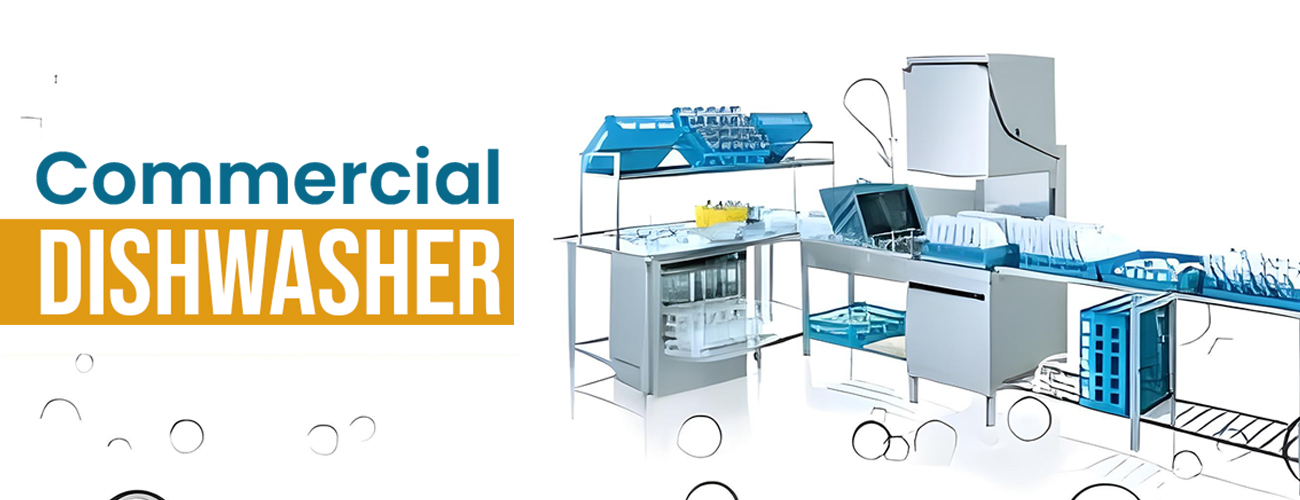
In the bustling environment of a restaurant, efficiency is key. One area where this is particularly true is in the dishwashing process. A commercial dishwasher can be a game-changer, ensuring that your plates, glasses, and utensils are cleaned quickly and effectively. Whether you’re new to the restaurant business or looking to upgrade your current operations, understanding how to use a commercial dishwasher properly is crucial. This guide will walk you through everything you need to know about using a commercial dishwasher in your restaurant.
Understanding Commercial Dishwashers
Before diving into the specifics of operation, it's important to understand what a commercial dishwasher is and why it's an essential piece of equipment in any restaurant.
What Is a Commercial Dishwasher?
A commercial dishwasher is a machine designed to clean large quantities of dishes quickly and efficiently. Unlike residential models, commercial dishwashers are built to handle the demands of a busy restaurant kitchen. They are typically larger, more powerful, and designed to meet health and safety standards in foodservice operations.
Types of Commercial Dishwashers
- There are several types of commercial dishwashers, each suited to different needs:
- Undercounter Dishwashers: Ideal for small restaurants or cafes, these dishwashers fit under the counter and are perfect for limited space.
- Door Type Dishwashers: Also known as hood dishwashers, these are suitable for medium-sized operations and are designed to handle larger volumes.
- Conveyor Dishwashers: Best for large restaurants, these machines can process a high volume of dishes continuously.
- Glasswashers: Specifically designed for washing glassware, these are perfect for bars and restaurants with high glass turnover.
- Choosing the right type of dishwasher depends on your restaurant’s size, dish volume, and specific needs.
Setting Up Your Commercial Dishwasher
Proper setup is critical to ensure your dishwasher operates efficiently and lasts longer.
Installation Tips
- Location: Place the dishwasher in a location that allows easy access for loading and unloading. Ensure there's adequate space for ventilation and maintenance.
- Plumbing and Electrical Requirements: Make sure the dishwasher is connected to the appropriate water supply and drainage system. Electrical connections should be handled by a professional to comply with safety standards.
- Ventilation: Proper ventilation is necessary to prevent moisture build-up, which can lead to mold and mildew.
Initial Setup
After installation, perform an initial setup to ensure everything is functioning correctly:
Read the Manual: Familiarize yourself with the user manual provided by the manufacturer.
Check Connections: Verify all connections are secure and leak-free.
Test Run: Conduct a test cycle to check for any operational issues.
Operating Your Commercial Dishwasher
Operating a commercial dishwasher is straightforward, but following best practices can enhance efficiency and prolong the machine's life.
Loading the Dishwasher
- Rinse and Scrape: Before loading, rinse dishes to remove large food particles. This helps prevent clogs and ensures a better wash.
- Use Proper Racks: Use commercial dishwasher plate racks designed for specific items like plates, glasses, or utensils. This ensures optimal water flow and cleaning.
- Do Not Overload: Avoid overloading the machine as it can lead to poor cleaning results and potential damage.
Running the Dishwasher
- Select the Right Cycle: Choose the appropriate cycle based on the level of soil and type of dishes.
- Monitor Detergent Levels: Ensure that detergent and rinse aid levels are adequate for effective cleaning.
- Temperature Settings: Check that the machine is operating at the recommended temperature for sanitizing dishes.
Unloading the Dishwasher
Allow Dishes to Cool: Let dishes cool before unloading to prevent burns and ensure they dry properly.
Inspect for Cleanliness: Check each item to ensure it’s clean and ready for use.
Maintenance and Troubleshooting
Regular maintenance is essential to keep your commercial dishwasher running smoothly.
Routine Maintenance
Daily Cleaning: At the end of each day, clean the machine’s filters, wash arms, and interior to remove debris and prevent buildup.
Weekly Checks: Inspect and clean spray nozzles, and check for any signs of wear or damage.
Descaling: Depending on the water hardness, descaling may be necessary to prevent mineral buildup.
Common Troubleshooting Tips
- Poor Cleaning Performance: Check for clogged filters, incorrect detergent levels, or overloaded racks.
- Leaking Water: Inspect door seals and water connections for any leaks.
- Unusual Noises: Investigate for any loose parts or obstructions.
Benefits of Using a Commercial Dishwasher
- Utilizing a commercial dishwasher offers several advantages for your restaurant:
- Efficiency: Speeds up the dishwashing process, allowing staff to focus on other tasks.
- Consistency: Ensures dishes are consistently cleaned and sanitized to health standards.
- Cost-Effective: Reduces labor costs and resource consumption compared to manual washing.
Conclusion
Investing in a commercial dishwasher can significantly enhance the efficiency and hygiene of your restaurant’s operations. By understanding how to properly set up, operate, and maintain your dishwasher, you can ensure that your dishes are always clean and ready to impress your customers. With the right equipment and knowledge, your restaurant will run more smoothly, allowing you to focus on delivering an exceptional dining experience.