
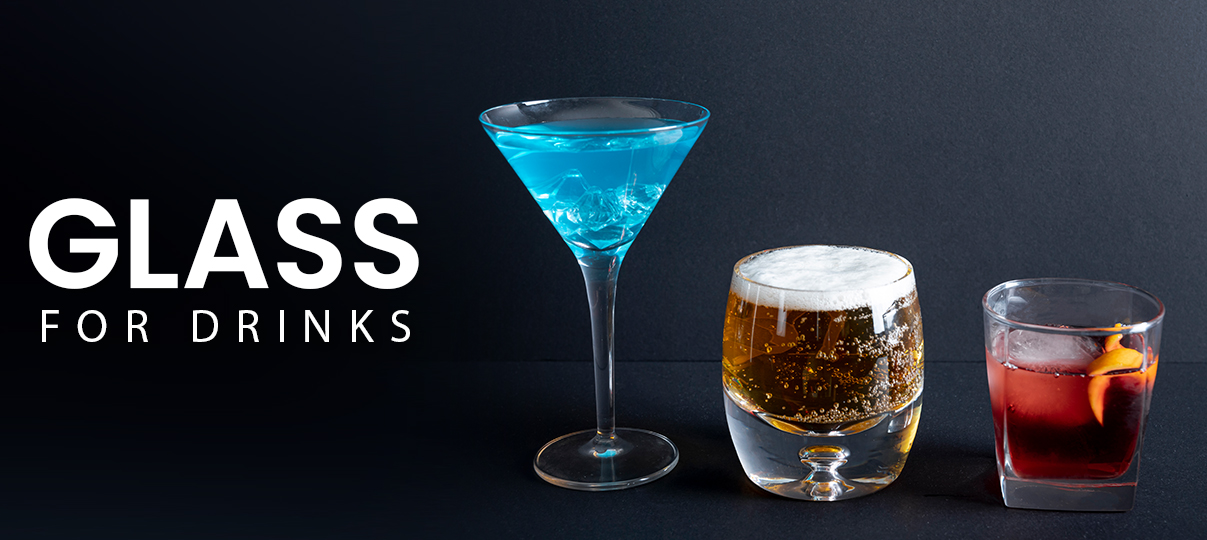
When you walk into a restaurant, the ambiance is set not only by the décor and the aroma of delicious food but also by the subtle elements like the glassware on the table. While it might seem trivial to some, using the correct glassware is essential for any restaurant aiming to provide an exceptional dining experience. In this article, we’ll explore why correct glassware matters, the different types of glassware, and how selecting the right pieces can elevate both the customer's perception and the restaurant's brand.
The Importance of Correct Glassware
Correct glassware in restaurants is more than just an aesthetic choice; it serves several vital functions that impact the dining experience.
Enhancing the Dining Experience
Imagine ordering a fine wine and being served in a plastic cup—such a mismatch would quickly diminish the perceived quality of the drink. Proper glassware enhances the flavor and aroma of beverages, whether it's wine, cocktails, or even water. The shape and size of a glass can influence how a beverage is experienced by controlling the flow of liquid and the concentration of aromas.
Reflecting Restaurant Quality
Glassware is a subtle indicator of a restaurant's quality and attention to detail. High-quality glassware suggests that a restaurant cares about its customers' experience and maintains high standards. It can set the tone for the meal and is often associated with an establishment’s overall prestige.
Influencing Customer Perception
!Wine Glasses on a Table Setting()
Using the right glassware can influence how customers perceive the value of their meal. Fine dining establishments often invest in premium glassware because it complements their upscale offerings and justifies higher price points. Customers are likely to equate elegant glassware with fine service and quality food.
Types of Restaurant Glassware
Understanding the different types of glassware is crucial for any restaurant owner or manager looking to enhance their service. Here are some common types of glassware used in restaurants:
Wine Glasses
Wine glasses are among the most varied in terms of style and function. The shape of a wine glass affects the wine's bouquet and flavor.
Red Wine Glasses: Typically have a larger bowl to allow the wine to breathe.
White Wine Glasses: Have a smaller bowl to preserve the cooler temperature of the wine.
Sparkling Wine Glasses: Flutes are used to maintain the carbonation and bouquet.
Beer Glasses
Different beers are best enjoyed in specific glass types. For instance:
Pilsner Glasses: Tall and slim to showcase the beer’s color and carbonation.
Pint Glasses: Standard for many beers, offering a good balance between capacity and ease of use.
Cocktail Glasses
Cocktail glasses vary depending on the type of drink being served:
Martini Glasses: Known for their distinctive conical shape.
Highball Glasses: Tall and used for mixed drinks.
Old Fashioned Glasses: Short and sturdy, perfect for cocktails like an Old Fashioned or Negroni.
Water and Soft Drink Glasses
These glasses are generally designed for practicality and durability. Tumblers and goblets are common choices, offering versatility across different beverage types.
Choosing the Right Glassware for Your Restaurant
Selecting the correct glassware involves considering the restaurant’s theme, menu, and customer expectations. Here's how to make the right choice:
Align with the Restaurant Theme
The glassware should complement the restaurant's theme and style. A modern bistro might opt for sleek, minimal designs, while a classic steakhouse may prefer traditional, robust glassware.
Consider the Menu
Your menu should guide your glassware choices. If your restaurant features an extensive wine list, investing in a variety of wine glasses is crucial. Similarly, if your bar offers a wide range of cocktails, having the appropriate cocktail glasses will enhance the presentation and enjoyment of each drink.
Balance Quality and Budget
While it’s important to choose high-quality glassware, it’s also necessary to balance this with budget considerations. Investing in durable glassware can reduce long-term costs, as higher quality pieces are less likely to break or chip.
Partner with a Reliable Supplier
Partnering with a reliable horeca store can ensure you have access to a wide range of glassware options. Whether you are looking for unique designs or cost-effective solutions, a good supplier can provide valuable guidance and support.
Maintenance and Care of Glassware
Proper maintenance of glassware is essential to preserve its quality and appearance. Here are some tips:
Hand Washing vs. Dishwasher: While many restaurants use dishwashers for efficiency, delicate glassware may require hand washing to prevent damage.
Regular Inspections: Routinely check for chips or cracks to maintain safety and aesthetics.
Proper Storage: Store glassware in a way that prevents scratching and damage.
Conclusion
In conclusion, the correct glassware is a vital part of the dining experience in any restaurant. It enhances the flavor and presentation of beverages, reflects the restaurant's quality, and influences customer perception. By understanding the different types of glassware and choosing pieces that align with your restaurant's theme and menu, you can create a dining experience that delights your customers and elevates your brand. Partner with a trusted horeca store to find the perfect glassware for your establishment and ensure you maintain it well to enjoy its benefits for years to come.