Discover Exceptional Products and Unmatched Service.
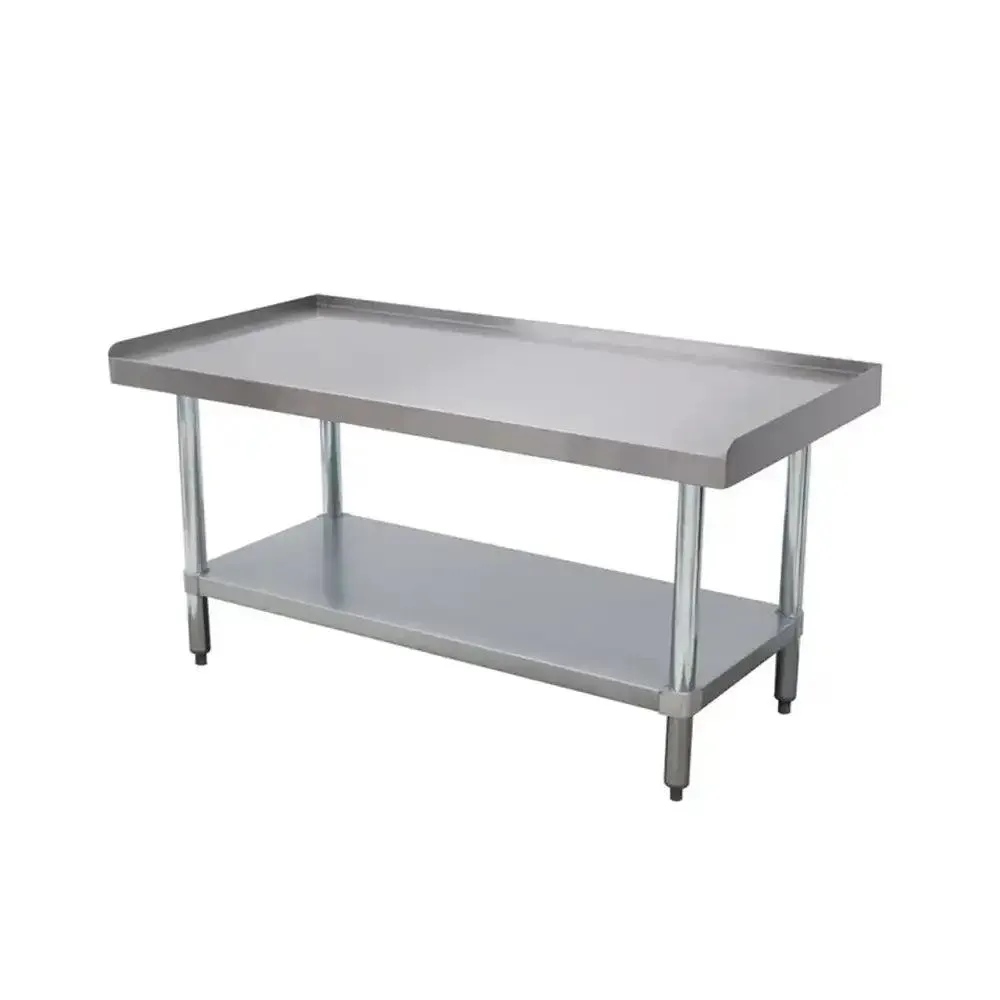
Tabco, Equipment Stand, 152 cm Length, 76 cm Width, Galvanized Undershelf
Item No: EG-LG-305-X86
Shipping Fee
Mostly Ships in 2 to 3 Days
Modern hospitality establishments across the USA are discovering the transformative power of illuminate blinds in creating distinctive dining experiences while maintaining operational efficiency. These innovative window treatments combine traditional light control with cutting-edge LED technology, offering HORECA professionals a sophisticated solution for ambient lighting that enhances guest comfort while reducing energy consumption. The integration of illuminate blinds into restaurant, hotel, and catering environments represents a significant advancement in hospitality design, providing operators with unprecedented control over their establishment's atmosphere while supporting sustainability initiatives that increasingly matter to today's environmentally conscious consumers.
The technology behind illuminate blinds revolutionizes how hospitality venues approach interior lighting design. Unlike conventional window treatments that simply block or filter natural light, these advanced systems incorporate energy-efficient LED elements that can be customized to complement existing lighting schemes or create entirely new atmospheric experiences. For restaurant owners seeking to establish signature dining environments, illuminate blinds offer the flexibility to transition seamlessly from bright, welcoming daytime settings to intimate evening ambiance without requiring extensive lighting infrastructure modifications. This adaptability proves particularly valuable for establishments that serve multiple meal periods or host various types of events throughout the day.
The strategic implementation of illuminate blinds in dining environments extends far beyond basic light control, offering restaurateurs the opportunity to craft memorable experiences that encourage repeat visits and positive reviews. These sophisticated window treatments allow precise manipulation of both natural and artificial light sources, enabling operators to maintain consistent ambiance regardless of external weather conditions or time of day. Professional buyers in the restaurant industry understand that lighting significantly influences guest perception of food quality, service standards, and overall value proposition, making illuminate blinds an investment in customer satisfaction and revenue generation.
The versatility of illuminate blinds particularly benefits establishments with extensive window installations, where traditional lighting solutions might create uneven illumination or competing light sources. By integrating LED technology directly into the window treatment system, restaurants can achieve uniform ambient lighting that enhances the presentation of dining room buffets sideboards and other furniture elements while maintaining visual coherence throughout the space. This integrated approach eliminates the harsh shadows and glare issues commonly associated with conventional window coverings, creating a more comfortable environment for both guests and service staff.
HORECA professionals operating in today's competitive marketplace must balance exceptional guest experiences with responsible resource management, making the energy efficiency of illuminate blinds particularly appealing for forward-thinking operators. These advanced window treatments typically consume significantly less electricity than traditional lighting systems while providing superior light distribution and control capabilities. The LED technology incorporated into illuminate blinds boasts extended operational lifespans, often exceeding 50,000 hours of continuous use, which translates to reduced maintenance costs and minimal service disruptions for busy hospitality operations.
The energy savings achieved through illuminate blinds implementation can substantially impact operational budgets, particularly for establishments with extensive window installations or extended operating hours. Many USA-based hospitality operators report energy cost reductions of 30-40% when replacing conventional lighting and window treatment combinations with integrated illuminate blind systems. These savings compound over time, making the initial investment in illuminate blinds financially attractive while supporting corporate sustainability initiatives that increasingly influence consumer dining decisions and business partnership opportunities.
The successful implementation of illuminate blinds in commercial hospitality environments requires careful planning and professional expertise to ensure optimal performance and seamless integration with existing infrastructure. HORECA professionals should consider factors such as electrical capacity, control system compatibility, and maintenance accessibility when planning illuminate blind installations. Many USA-based hospitality design professionals recommend coordinating illuminate blind selection with sideboard buffet furniture placement and dining room buffets sideboards positioning to create cohesive lighting schemes that enhance both functional and aesthetic aspects of the dining environment.
Professional installation teams experienced in hospitality applications understand the unique requirements of commercial operations, including compliance with local building codes, accessibility standards, and fire safety regulations. The integration of illuminate blinds with existing building management systems enables centralized control and monitoring, allowing operators to optimize energy consumption while maintaining consistent guest experiences across different areas of their establishments. This systematic approach proves particularly valuable for hotel chains or restaurant groups seeking to standardize ambiance and operational procedures across multiple locations.
The strategic placement of illuminate blinds can significantly enhance the presentation and functionality of service areas, particularly around dining room buffets sideboards and other food display zones. The controllable illumination provided by these advanced window treatments allows operators to highlight specific menu items or promotional displays while maintaining appropriate ambient lighting throughout the dining space. This targeted lighting capability proves especially valuable for establishments featuring extensive buffet tables sideboards or self-service areas where food presentation directly influences guest perception and satisfaction.
Restaurant operators utilizing buffet service models benefit from the consistent illumination provided by illuminate blinds, which eliminates the variable lighting conditions that can make food appear less appealing during different times of day. The LED technology incorporated into these systems produces light spectra that enhance food colors and textures, making dishes appear more appetizing and encouraging higher consumption rates. This enhanced presentation capability can translate into increased per-guest spending and improved customer satisfaction scores, particularly important metrics for hospitality operations competing in saturated markets.
HORECA professionals evaluating illuminate blind investments should consider both immediate operational benefits and long-term competitive advantages when calculating return on investment potential. The energy efficiency, maintenance reduction, and enhanced customer experience capabilities of illuminate blinds contribute to improved profit margins while supporting brand differentiation strategies that help establishments stand out in competitive markets. Many USA-based restaurant and hotel operators report that illuminate blind installations pay for themselves within 18-24 months through combined energy savings and increased customer satisfaction metrics.
The sophisticated appearance and functionality of illuminate blinds can enhance property values and support premium pricing strategies, particularly important considerations for establishments seeking to position themselves in higher-end market segments. The integration of advanced lighting technology demonstrates commitment to innovation and guest comfort, qualities that increasingly influence consumer choice and review ratings in the digital age. This technological sophistication can be particularly valuable when marketing to corporate clients or event planners who prioritize cutting-edge facilities and environmental responsibility in their venue selection processes.